
What is tofu? Types, uses, and how to cook it
If you’re not yet familiar with tofu, you’re not alone! It’s one of the most misunderstood ingredients out there, mostly because it’s often cooked incorrectly before anyone gets the chance to see what it can actually do. Done right, tofu can be crispy and golden on the outside, custardy in a dessert, or silky in a creamy sauce you’d never guess was plant-based. This guide walks you through exactly what tofu is, the different types you’ll find at the store, and how to pick the right one for whatever you’re cooking.
What Is Tofu, Exactly?
Tofu is made from soybeans—specifically, from soy milk that’s been curdled and pressed into blocks, similar to how cheese is made from dairy milk. The soy milk is combined with a coagulant (a natural substance that helps it set, like calcium sulfate or nigari, a type of mineral salt), which causes it to form soft curds. Those curds are then pressed to remove excess liquid, and the more they’re pressed, the firmer the resulting tofu.
That’s really it: soybeans, water, and a coagulant. Tofu has been a staple in East Asian cooking for over 2,000 years, and its mild flavor is actually its superpower—it takes on the taste of whatever it’s cooked with, from smoky marinades to sweet or spiced dessert bases. Curious about soy itself? Our soy guide covers everything you need to know.
Types of Tofu to Look For
Tofu is categorized by firmness, and the texture determines what it’s best used for. Here’s the lineup, from softest to firmest:
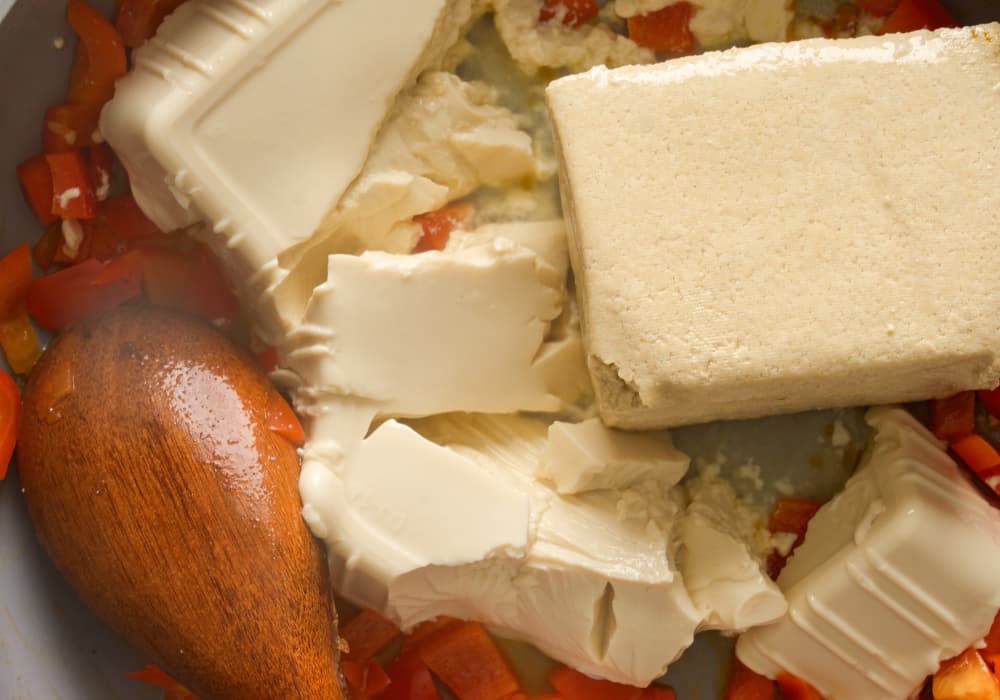
Silken tofu has a smooth, custard-like texture and is sold in a block that doesn’t need pressing or draining the way firmer tofu does. It’s delicate—more “spoonable” than “sliceable.”
Soft tofu is a step up from silken but still tender. It holds together a bit more but will still break apart easily if you try to pan-fry it.
Firm tofu has a noticeably denser texture and holds its shape when cut, stirred, or sautéed, though it’s still got some give.
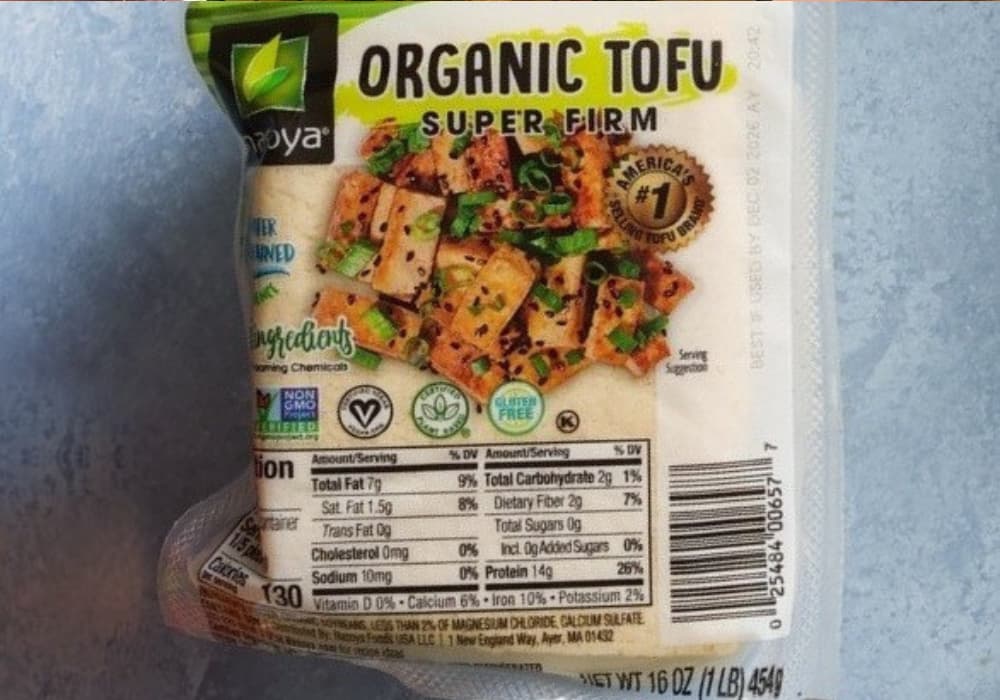
Extra-firm tofu is the densest and driest of the bunch, with the least water content, which is exactly why it crisps up so well in a pan or the oven. Some brands even sell a “super firm” option that’s pressed further still and often doesn’t need any pressing before cooking, which can be a nice shortcut if you’re short on time.
A quick note on “pressing,” since you’ll see it mentioned a lot in tofu recipes: it just means squeezing excess water out of the block (often by wrapping it in a towel and setting something heavy on top for 15–30 minutes) so it browns and crisps better instead of steaming in its own moisture. If you decide to hop on the tofu bandwagon with us, you may want to consider investing in a specific “tofu press” to streamline the process.
What is Tofu Good For? Best Uses for Each Type
Rather than wondering “what’s the best tofu,” start framing it as “what’s the best tofu for each application?” This is where tofu really starts to click. Matching the texture to the dish is 90% of the battle.
Silken tofu is your blender tofu. Because it’s so soft and high in moisture, it purees into a smooth, creamy base—perfect for making dairy-free chocolate pudding, a creamy pasta sauce like this creamy dairy-free Alfredo , or adding a protein boost to your morning smoothies. It’s not meant for the pan; it’s meant for the blender. It’s also an excellent egg substitute in breakfast burritos!
Soft tofu works well in soups (it’s the classic choice for miso soup) and in dishes where you want tender bites that soak up broth, like a simmered stew.
Firm tofu is the most versatile of the bunch. It can be cubed into stir-fries, crumbled into an egg-like scramble or as a ground meat substitute. Try it in our crispy tofu street tacos!
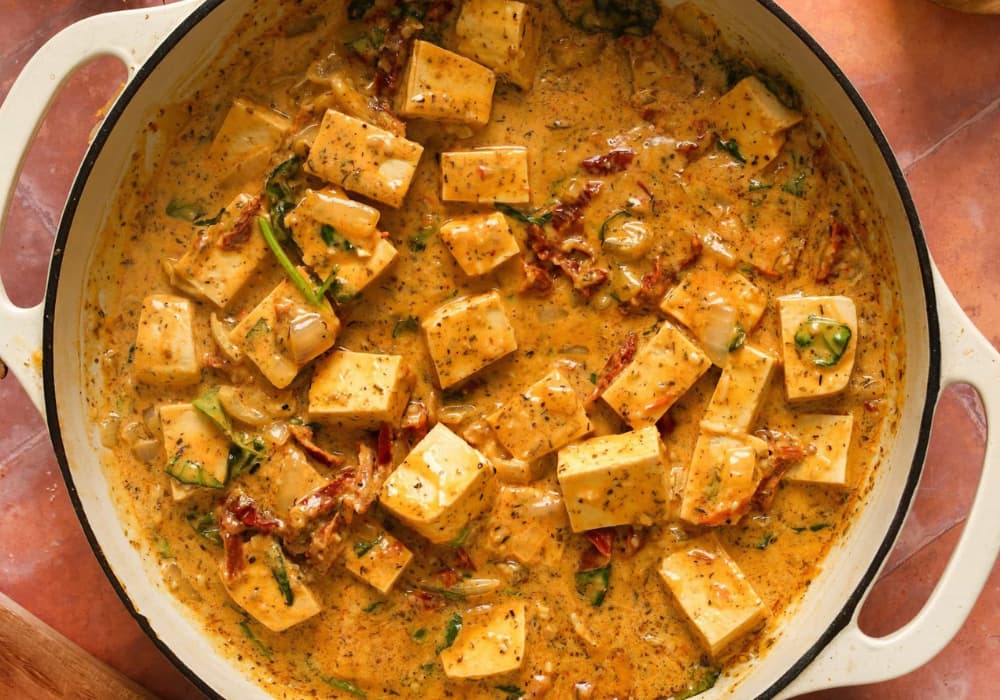
Extra-firm tofu is your go-to for anything crispy: pan-seared cubes, oven-baked slices, or tossed in cornstarch and air-fried until the edges turn golden and crackly. Baked until crisp, those golden slices are the star of our tofu BLT. It also holds up well in dishes with bold sauces, since it won’t fall apart under stirring. Try it in our saucy BBQ tofu sandwiches or the rich, creamy marry me tofu.
If you remember one rule: the softer the tofu, the more it’s meant to blend in; the firmer the tofu, the more it’s meant to hold its shape and crisp up.
How to Choose and Shop for Tofu
Standing in the tofu section can feel like a lot of options at once, so here’s what actually matters when you’re picking a package:
Check the firmness label first, and match it to your dish using the guide above. This is the single biggest factor in whether a recipe turns out right.
Look at the ingredient list. Traditional tofu has just a few ingredients: soybeans, water, and a coagulant (usually listed as calcium sulfate, magnesium chloride, or nigari). Shorter ingredient lists generally mean a more traditional, minimally processed product.
Check if it’s water-packed or vacuum-sealed. Water-packed tofu (sitting in a tub of liquid) tends to be a bit more delicate; vacuum-sealed blocks are often firmer and need less draining.
Organic and non-GMO labels are available if that matters to you, though they’re more about sourcing than performance in the pan.
A few widely available U.S. brands worth knowing: House Foods and Nasoya are both widely stocked and come in every firmness level, making them an easy, reliable starting point. Mori-Nu is a popular shelf-stable silken tofu brand—meaning it doesn’t need refrigeration until opened, which is handy for stocking your pantry for last-minute smoothies or sauces. 365 by Whole Foods Market and store brands like Trader Joe’s and Aldi also carry solid, affordable options across the firmness range.
Storage and Shelf Life
Unopened tofu (the refrigerated kind) will have a sell-by date on the package and typically keeps for several weeks unopened in the fridge. Shelf-stable silken tofu, often sold in aseptic (non-refrigerated) cartons, can be stored in the pantry until opened.
Once you’ve opened a package, submerge any unused tofu in fresh water in an airtight container and refrigerate it—changing the water daily keeps it fresh for about 3–5 days. If you want to stock up, tofu also freezes well: freezing actually changes its texture, making it chewier and spongier (great for soaking up marinades), so some people freeze it on purpose before cooking.
A Few Small Wins to Start With
If tofu has felt intimidating up to now, here’s some encouraging news: a lot of people find their “aha” moment with one simple method—pressing extra-firm tofu, cutting or tearing it into bite sized pieces (tearing it will give you more surface area for maximum crispiness), tossing the cubes in a little cornstarch and salt, and roasting or air-frying until crispy. It’s a low-effort way to see tofu at its best, and it’s a great base for tossing into a stir-fry, grain bowl, or wrap. Once that one clicks, a few other easy methods tend to win people over just as fast:
Marinate and bake. Cube or slice firm or extra-firm tofu, let it sit in a flavorful marinade (soy sauce, garlic, and a little maple syrup is a reliable starting point) for 15–30 minutes, then bake until the edges firm up. The marinating does most of the flavor work for you, so it’s a great hands-off option for a weeknight.
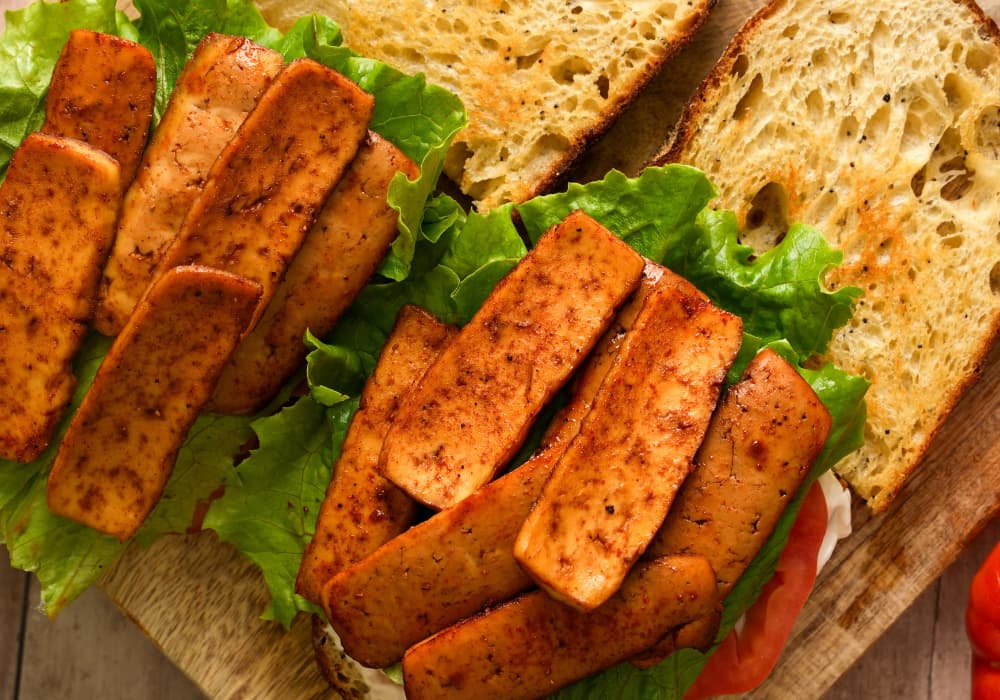
Pan-seared slabs instead of cubes. Rather than cutting extra-firm tofu into small pieces, slice it into thick planks, pat them dry, and sear in a hot, well-oiled pan for a few minutes per side. You’ll get a golden, crispy crust with a tender center—a satisfying centerpiece next to roasted vegetables or grains (like our roasted vegetable couscous).
A simple scramble. Crumble firm tofu by hand into a skillet (no knife skills needed), sauté with a little oil, turmeric for color, a pinch of black salt for eggy flavor, and whatever spices you like, and you’ve got a quick breakfast scramble in under 10 minutes.
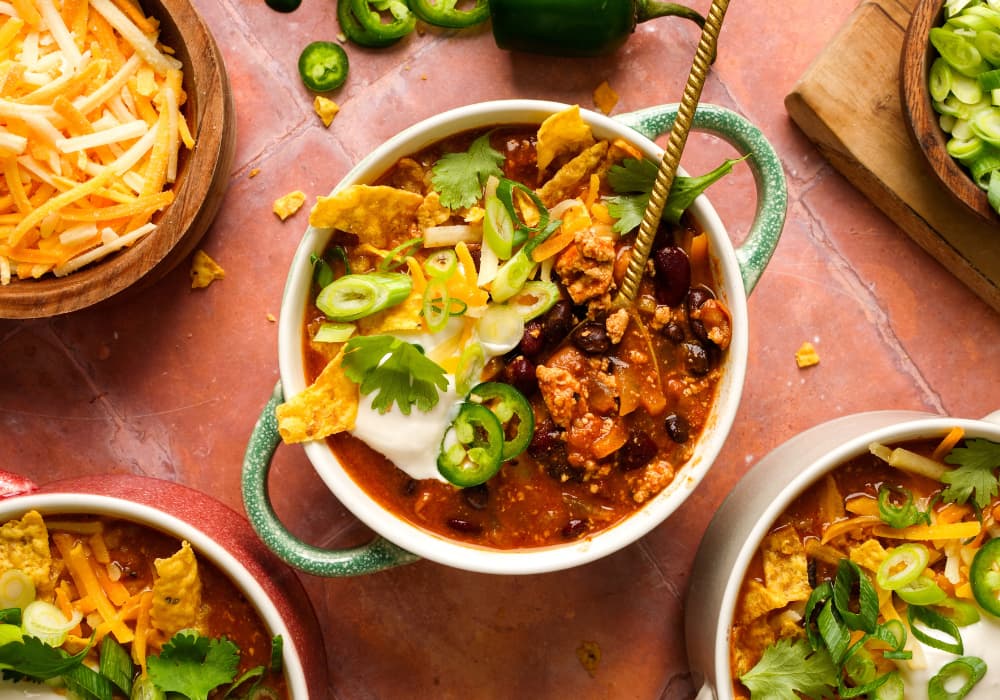
An easy taco filling. If a scramble isn’t your style, use the same crumbling method above, sauté with a bit of oil, add your favorite taco seasoning, then tuck it into a tortilla and add your favorite toppings like salsa, vegan cheese, and pickled red onions. Crumbled tofu also makes a great ground meat swap in heartier dishes like our hearty tofu chili.
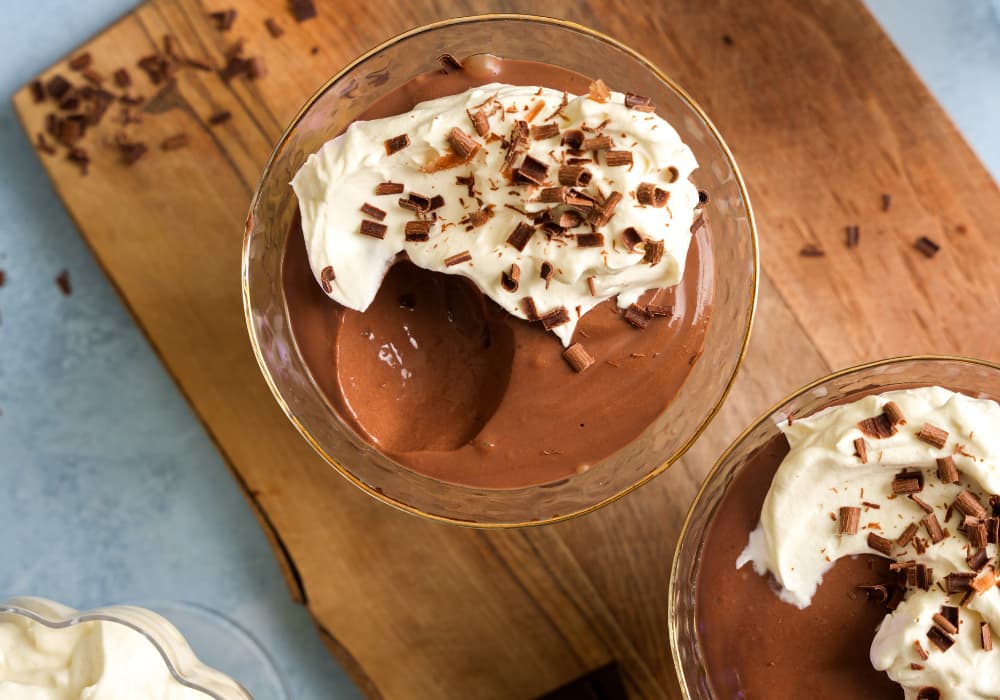
Silken tofu, straight into the blender. If knife work and pans feel like too much right now, silken tofu is the lowest-effort entry point of all. Blend it into a smoothie for extra creaminess, whip it into a quick chocolate tofu pudding, or purée it into a pasta sauce for a silky, dairy-free finish.
Add it to a soup, as-is. Soft or silken tofu cubes can go straight into a simmering soup or broth with no prep beyond cutting—they’ll soak up the surrounding flavors as they warm through, which is part of why tofu works so well in dishes like miso soup.
Each of these methods asks for maybe one new technique, not a whole new way of cooking, so even trying just one is a solid place to start!
FAQs
Do I always need to press tofu?
Not always. Silken and soft tofu shouldn’t be pressed (they’ll fall apart). Firm and extra-firm benefit from pressing if you want maximum crispiness, but if you’re short on time, even a quick 10-minute press with a towel helps.
Can I cook tofu without pressing it at all?
Yes—it just won’t get quite as crispy or absorb marinades as deeply. It still works fine in soups, stews, or crumbled dishes where texture is less critical.
Why does my tofu always taste bland?
Tofu has a very mild flavor on its own, which means it needs well-seasoned marinades, sauces, or spice blends to really shine. Think of it the way you’d think of pasta or rice: a flavorful base waiting for the rest of the dish. Even just salt and pepper will make a huge difference!
Is there a difference between tofu sold in the refrigerated section versus the shelf-stable section?
Refrigerated tofu (often in a water-filled tub) tends to be more delicate, while shelf-stable silken tofu in aseptic cartons is ultra-smooth and designed for blending, not frying.
Can I substitute one firmness for another in a recipe?
It’s possible, but the texture of the finished dish will change—silken swapped for extra-firm in a stir-fry, for example, will fall apart. Try to match the firmness to the method of cooking you’re using. Need a reminder? Hop back up to the “What is Tofu Good For? Best Uses for Each Type” section for a quick refresher!
What’s the best marinade for tofu?
There’s no single “best” marinade. It really depends on what flavor direction you’re going for. A classic savory option is soy sauce, garlic, a splash of rice vinegar, and a little maple syrup for balance. If you’re after something smokier, try smoked paprika, cumin, and a squeeze of lime. For an Asian-inspired flavor, sesame oil, ginger, soy sauce, and a touch of chili garlic sauce work well, while balsamic vinegar, Dijon mustard, and a little maple syrup make for a sweeter, tangier option. The common thread across all of these is a mix of salty, acidic, and a touch of sweet. From there, feel free to experiment with what you already have in your pantry.
What is tofu skin?
Tofu skin (also called yuba) is the thin, delicate layer that forms on top of soy milk as it’s heated, similar to the skin that forms on dairy milk. It’s lifted off, dried or left fresh, and used in all kinds of dishes—wrapped around fillings (e.g. rice and avocado as a vegan sushi roll), sliced into noodle-like strips, or simmered in soups for a chewy, satisfying bite.
What’s the difference between beancurd vs. tofu?
They’re actually the same thing—”beancurd” is just the more literal, direct translation of the term used in Chinese cooking, while “tofu” is the Japanese-derived word that’s become the common English term. You’ll sometimes see “beancurd” on packaging or in traditional recipes, but it refers to the identical soybean-based product.
We’d love to celebrate your plant-based wins with you, so feel free to tag us on the socials or drop us a line at [email protected]!
Try Plant-based Today