What is plant-based milk? Types, uses, and how to choose
If you’ve ever stood in the grocery aisle staring at a wall of cartons wondering what the difference is between oat, almond, and soy milk—you’re not alone. Plant-based milks have exploded in popularity over the past decade, and for good reason: they’re versatile, widely available, and there’s a type (or three!) for everyone. Whether you’re lactose-intolerant, cutting back on dairy, or just curious, this guide breaks down everything you need to know about plant-based milk so you know exactly what to look for.
And if your first experience with a plant-based milk left you unimpressed—maybe it curdled in your coffee or tasted watery in your cereal—don’t give up. Chances are you just haven’t found the right type for whatever use case you’re after!
What Is Plant-Based Milk, Anyway?
At its core, plant-based milk is made by blending a plant source—most often nuts, grains, seeds, or legumes—with water, then straining out the solids to leave a smooth, milk-like liquid behind. That’s it. No cows involved.
Depending on the type, manufacturers often add a few extras: stabilizers to keep everything from separating in the carton, natural flavors, and sometimes vitamins and minerals like calcium and vitamin D to mimic what you’d get from dairy milk. (Side Note: This earns them the label “fortified plant milks,” so don’t be surprised if you see that phrasing on labels).
The base ingredient makes a big difference in taste, texture, and how the milk performs when you cook, bake, or pour it into your morning coffee. Not all plant-based milks are created equal, so the one you tried once and didn’t love might just have been the wrong match for what you were using it for.
Types of Plant-Based Milks (and What They Taste Like)
There are dozens of plant milks on the market now, but here are the most common types of plant-based milks you’ll find at any grocery store:
Soy milk is one of the first dairy-free milks to hit the market and still one of the creamiest. It has a mild, slightly beany flavor and a thicker consistency that’s close to dairy milk. It also has a higher protein content than many other plant-based milks, which makes it ideal for applications like making vegan buttermilk.
Oat milk has a naturally sweet, slightly oat-y flavor and a creamy texture that is often considered the closest to dairy milk. It’s become hugely popular in the last few years, especially among coffee lovers, thanks to how well it typically froths. (Note: Not all oat milk brands are created equal! We’ve come across some that froth like a dream, even if they aren’t specifically “barista blends,” while others simply don’t. Full-fat versions tend to perform better in this department.)
Almond milk is light, slightly nutty, and a bit thinner than dairy milk. It’s one of the most popular nut milks on the market and has a subtly sweet, clean taste that works well in a variety of recipes.
Coconut milk (the carton kind, not the canned version used in curries) is rich and slightly tropical-tasting, with a thicker, creamier mouthfeel than almond milk.
Pea milk is made from yellow pea protein and has a surprisingly neutral, creamy taste. It doesn’t taste like peas at all. It’s also one of the higher-protein options among plant milks, making it a good soy-free alternative for recipe swaps.
Cashew milk is smooth, mildly sweet, and slightly nutty, though less distinct in flavor than almond milk. It tends to be very creamy, similar to oat milk.
Other nut-based milks, like macadamia, are also worth seeking out if you’re looking to branch out beyond almond and cashew. Macadamia milk has a rich, buttery flavor and a creamy texture that’s often compared to half-and-half, making it a nice option for coffee or for recipes where you want a little extra richness. It’s not as widely available as the other options on this list, but it’s worth grabbing if you spot it.
Rice milk is thin, mildly sweet, and the most neutral-tasting of the bunch. It’s a solid option for anyone with multiple food allergies since it’s naturally free of nuts, soy, and gluten. Just be sure to double-check the label before any purchase in case you do have food allergies.
Benefits of Plant-Based Milk
Without getting too deep into the nutrition weeds, plant-based milks offer a few universal perks: they’re naturally lactose-free, generally lower in saturated fat than whole dairy milk, and many are fortified with calcium and vitamin D. They’re also a great option if you’re vegan, have a milk allergy, or simply want more variety in your fridge. And as a bonus, plant-based milks generally have a lighter environmental footprint than dairy milk, often requiring less water and land and producing fewer greenhouse gas emissions.1 The way we see it, choosing plant-based milk is a win-win-win!
Best Uses for Each Type
Using the wrong plant milk for the wrong purpose is where a lot of people go wrong on their first try. Here’s a practical breakdown:
For coffee and lattes: Many coffee shops and grocery stores now carry “barista blends” of a variety of plant milks, which are specially formulated with slightly more fat and added stabilizers so they froth and foam better. If you’ve ever had plant milk curdle in your coffee, it’s usually an acidity reaction between the coffee and the milk’s proteins. Barista blends are designed specifically to prevent that.

For baking: Soy milk and oat milk are excellent all-purpose substitutes in most baking recipes because of their creamy consistency and neutral-to-mild flavor. Cashew milk and coconut milk also work well in creamier baked goods like custards.
For cereal: Almond milk and rice milk are popular choices here since they’re light (think skim milk to 2% territory in terms of mouthfeel). For a richer option that’s closer to whole milk, oat milk, soy milk or coconut milk are the way to go.
For cooking (soups, sauces, mashed potatoes, pasta): Oat milk and cashew milk bring richness and body, making them great in creamy pasta sauces, like our creamy Alfredo. Coconut milk is also a great option, but note that it will leave a slightly sweet tropical flavor behind. Soy milk and pea milk also work well in savory cooking thanks to their neutral-to-mild flavor and higher protein content.

For drinking on its own: This is really a matter of personal taste. Oat and cashew milk tend to be crowd-pleasers because of their natural sweetness and creaminess, while almond milk is a lighter option if you prefer something less rich.
How To Choose And Shop For Plant-Based Milk
With so many plant milks on shelves, a little label-reading goes a long way:
Sweetened vs. unsweetened: Sweetened versions have added sugar, which is great if you’re drinking it plain or using it in cereal, but can throw off savory cooking or coffee. Unsweetened is the safer, more versatile default, so always check the label if you’re trying to limit added sugar. Note that unsweetened versions are often a bit thinner than lightly sweetened barista blends, so if frothability or a rich mouthfeel are important to your application, it’s worth balancing the trade-offs.
Flavored vs. Original: Beyond the plain, unsweetened varieties, many stores offer flavored plant-based milks like vanilla and chocolate, along with seasonal options such as pumpkin spice and peppermint that tend to show up around the holidays. These are great for drinking on their own, pouring over cereal, mixing up smoothies, or stirring into coffee and hot chocolate for a little extra flavor. That said, they work a bit differently in recipes than original or unsweetened versions—the added sugar and spices can throw off the balance in savory dishes, baked goods, or sauces where you want the milk to stay neutral. As a general rule, save the flavored varieties for drinks and sweet treats, and stick with original or unsweetened milk when a recipe calls for plant-based milk as a savory cooking ingredient.
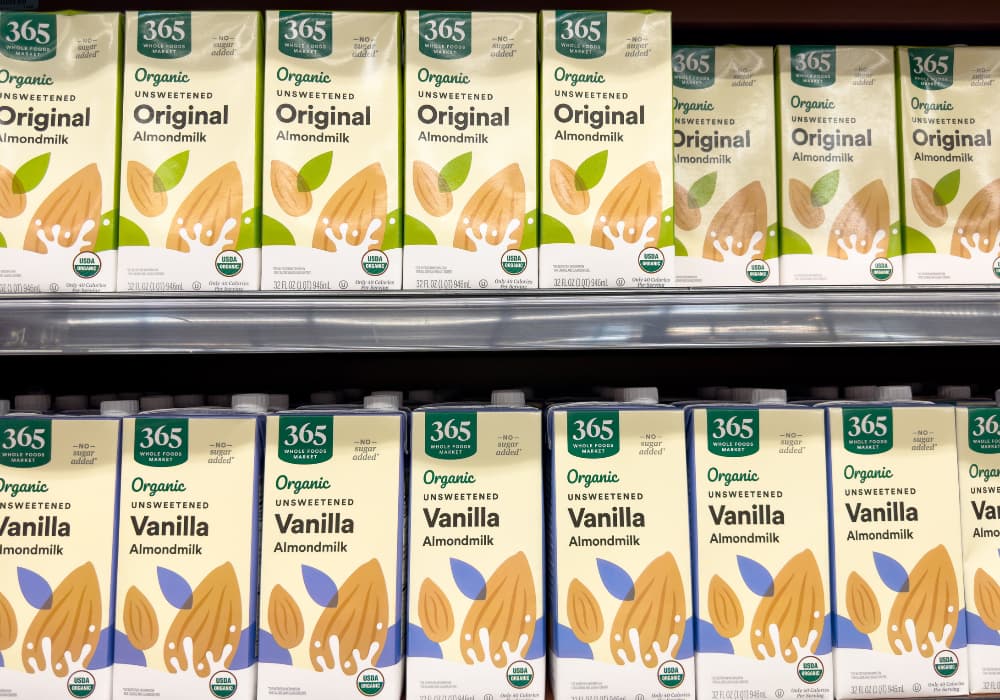
Original vs. barista blends: “Original” is the standard, everyday version of whatever plant milk you’re after. Barista blends are formulated specifically for frothing and are worth the extra dollar if you’re making lattes or cappuccinos at home. Note that some brands/types of “original” milks do an excellent job of frothing (e.g. Aldi’s original oat milk) while others fall short. Feel free to experiment to find your favorite, or reach for a barista blend if you want to be sure.
Fortified vs. non-fortified: If you’re replacing dairy milk entirely and are unsure of your nutrient intake from whole foods, look for versions fortified with calcium and vitamin D to help fill the nutritional gap.
A few popular brands you’ll commonly spot in US grocery stores: Oatly and Chobani Oat (oat milk), Silk (soy, almond, and cashew milk), Califia Farms (almond, oat, and barista blends), Planet Oat (oat milk), Ripple (pea milk), and Milkadamia (macadamia and other nut milks). Comparing milks side by side at the store—checking ingredients, added sugar, and fortification—is the easiest way to find your favorite.
How To Make Plant-Based Milk At Home
If you’re curious about cutting down on packaging, controlling exactly what goes into your milk, or just want to try a fun kitchen project, making your own plant-based milk is easier than it sounds. Most versions follow the same basic formula: soak, blend, strain, store. That said, if you get really into the whole homemade plant milk situation, there are specific machines you can buy to make the process seamless.
The Basic Method
Soak your base. Harder ingredients like nuts (almonds, cashews), seeds, or dried peas usually need a soak first—anywhere from 20 minutes to overnight, depending on what you’re using. Soaking softens them up for blending and helps make the milk creamier.
Blend with water. Drain and rinse your soaked ingredient, then blend it with fresh water in a high-speed blender. A general ratio is about 1 cup of your base to 3–4 cups of water, though you can adjust depending on how rich or light you want the final milk.
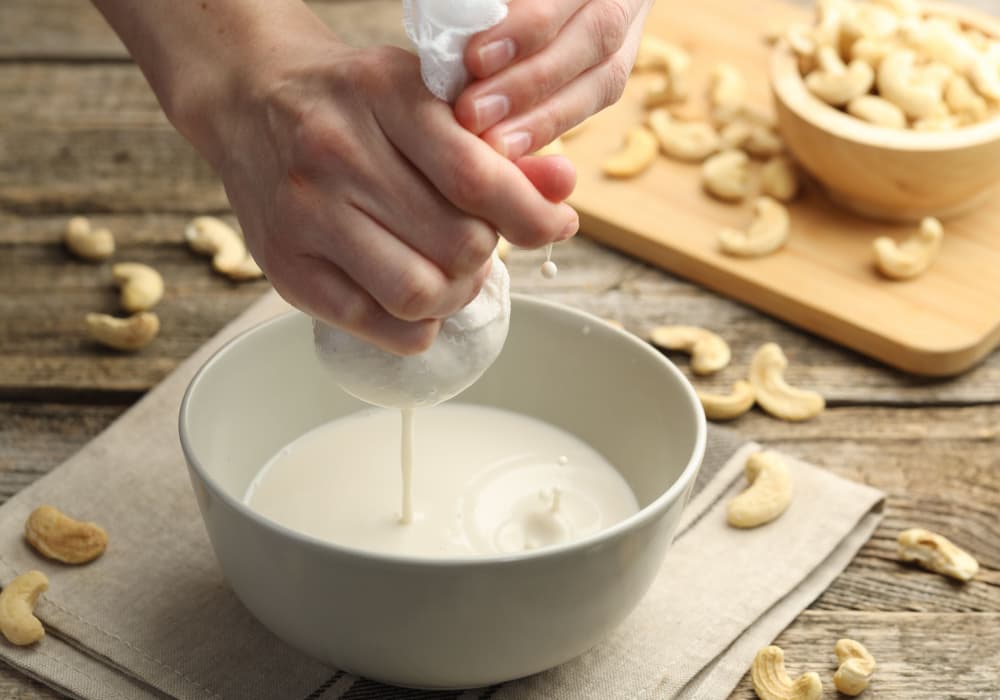
Strain. Pour the mixture through a nut milk bag or fine mesh strainer lined with cheesecloth into a bowl or pitcher. This step separates the smooth milk from the pulp and is what gives homemade milk its silky texture.
Flavor it (optional). A pinch of salt, a splash of vanilla, a date (blended in) or a spoonful of maple syrup can round out the flavor if you like a touch of sweetness.
Store and shake. Pour into a sealed jar or bottle and refrigerate. Give it a good shake before each use, since homemade milk doesn’t have stabilizers and will naturally separate.
A Few Notes By Type
Oat milk is one of the easiest and fastest to make. There’s no soaking required, and it blends up in just a couple of minutes. Just be careful not to over-blend, which can make it gummy.
Almond or cashew milk benefits from a longer soak. Cashews can sometimes even be blended into the milk without straining since they break down so smoothly, depending on the texture you’re after.
Soy milk takes a bit more effort, usually involving cooking the blended mixture briefly, but it yields a protein-rich, traditional-tasting milk.
Storage And Shelf Life
Most shelf-stable plant milks (the ones sold in non-refrigerated cartons) last several months unopened—check the date on the carton. Once opened, they typically need to be refrigerated and used within 7–10 days, similar to dairy milk.
Refrigerated plant milks (the ones you’ll find in the dairy aisle) generally have a shorter shelf life once opened, so it’s worth checking the label if it’s been open for a while. If you notice separation, a sour smell, or a change in texture, it’s time to toss it.
Homemade plant-based milk typically lasts 3–5 days in the fridge, since it doesn’t contain the preservatives found in store-bought cartons. It also won’t be fortified with calcium or vitamin D unless you add that in yourself, so if those nutrients matter to you, store-bought may still be worth keeping in rotation.
FAQs
Which plant-based milk tastes most like regular milk?
Soy milk and oat milk are generally considered the closest match in texture and creaminess. Soy has a slightly more pronounced flavor but also has more protein, making it nutritionally more similar to dairy milk. Oat milk tastes more like regular milk, but lacks the protein.
What plant-based milk should I start with if I’m new to the scene?
If you’re looking for a well-rounded starting point, some of the best plant-based milks for beginners tend to be oat milk (for its creaminess and mild flavor) and almond milk (for its lightness and wide availability).
Why did my plant milk curdle in my coffee?
This usually happens when the acidity in coffee reacts with the proteins in the milk, causing it to separate. Using your favorite barista blend (which are formulated to resist separation) usually solves the problem.
Can I substitute plant milk 1:1 in recipes?
In most cases, yes. Unsweetened, unflavored versions work best as straightforward substitutes for dairy milk in cooking, while baking is more flexible and can handle lightly sweetened or even flavored (e.g. vanilla) varieties. Note that if protein is important to a recipe’s performance, soy milk or pea milk are typically your best bet.
Is plant-based milk good for coffee?
Absolutely! Most oat milk brands and any barista blends are specifically designed to froth and foam, making them great for lattes and cappuccinos.
What’s the healthiest plant milk?
This depends on your personal goals, but soy milk and pea milk are often highlighted for their higher protein content, while unsweetened almond milk is popular for being lower in calories.
What are the best oat milk and almond milk brands?
The best oat milks and best almond milks each depend on whether you’re using them for coffee, baking, or drinking straight. We recommend trying a few different brands and styles to find your favorites!
- Ritchie, H. (2022, January 19). Dairy vs. plant-based milk: what are the environmental impacts? Our World in Data. https://ourworldindata.org/environmental-impact-milks
Try Plant-based Today