What is soy? Everything you need to know
Few foods are as versatile — or as misunderstood — as soy. From its impressive nutritional profile to the countless ways it can be enjoyed, this humble little bean has a lot more going for it than you might think!
But with so much conflicting information out there, we’re here to separate fact from fiction. We’ll explore what soy is, its many different forms, potential health benefits, and simple ways to enjoy it.
So whether you’re looking to go plant-based, incorporate it into more of your meals, or simply shout its praises from the rooftops, we’ve got you covered!
What is soy?
Believe it or not, some of the most popular plant-based foods start with one mighty bean! Native to East Asia, soybeans belong to the legume family, alongside familiar favorites like lentils, peas, and chickpeas. These bushy plants produce fuzzy pods filled with soybeans.
Depending on when they’re harvested, soybeans can take on different forms. Young, green soybeans, better known as edamame, are picked before reaching maturity, while mature soybeans are typically left to dry before harvesting.
Once harvested, soybeans can be enjoyed whole or transformed into everything from tofu and tempeh to soy milk and other plant-based foods. With so many possibilities, it’s no wonder soy has become such a popular ingredient in plant-based kitchens around the world!
The many faces of soy
One of the most fascinating things about soy is just how many different forms it can take! From whole soybeans to fermented favorites and everyday dairy alternatives, there’s no shortage of ways to enjoy this popular legume.
Whole and nonfermented soy foods
Some of the most familiar soy foods are made with whole soybeans or through simple processes that transform them into everyday staples.
Soy milk: A creamy, plant-based milk made by blending soybeans with water, heating, and filtering the mixture. Enjoy it with your morning coffee, cereal, or a lunchtime smoothie.
Tofu: Known for its block-like appearance, tofu is made by curdling soy milk and pressing the curds.1 It comes in various textures from soft and silky to extra-firm, and has a mild, pleasant flavor that absorbs seasonings well. To learn more about the different types and how to cook with them, check out our beginner’s guide to tofu.
Edamame: Young, green soybeans harvested before maturity, and typically sold in their pods or shelled. With their tender texture and mildly sweet, nutty flavor, they make a delicious snack!
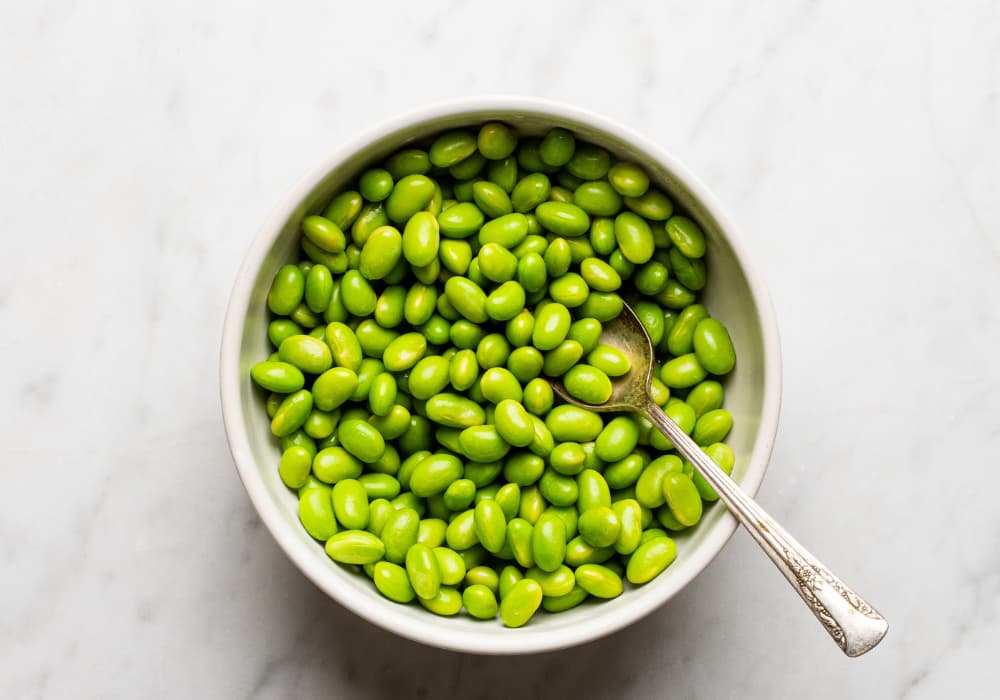
Mature soybeans: Fully developed soybeans, typically harvested after the pods dry. Available dried or canned, they have a firmer texture and mild, earthy flavor.
Fermented soy foods
Fermentation gives soybeans a whole new personality! Through a fermentation process involving microorganisms, soybeans are turned into foods with unique textures and rich, savory flavors.2
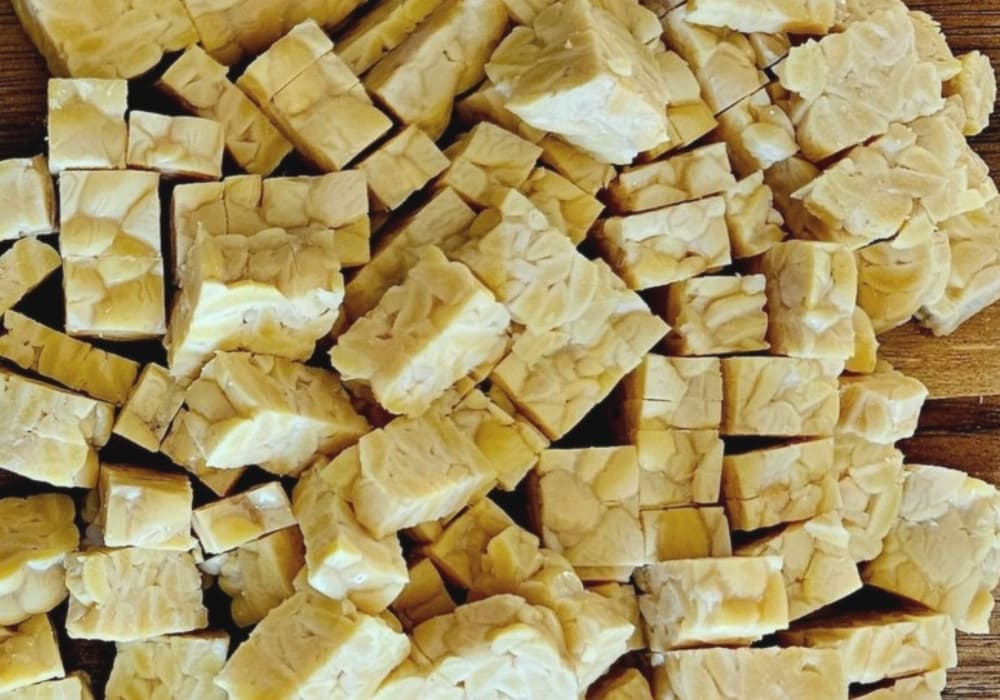
Tempeh: A traditional Indonesian food made from whole fermented soybeans bound together into a firm, dense cake. It has a chewy texture and a nutty, earthy flavor.
Miso: A traditional Japanese fermented seasoning paste commonly made from soybeans, salt, and koji (a fermentation culture). White and red miso are popular varieties, with flavors ranging from mild and slightly sweet to rich and savory.
Natto: Another traditional Japanese food made from fermented whole soybeans. It’s known for its sticky, stringy texture, distinctive aroma, and strong flavor.
Soy sauce: A dark, salty liquid seasoning commonly made by fermenting soybeans and wheat. It has a rich, savory flavor.
Processed soy foods
Beyond traditional soy foods, soybeans can also be transformed into protein-rich ingredients used to create familiar plant-based alternatives.
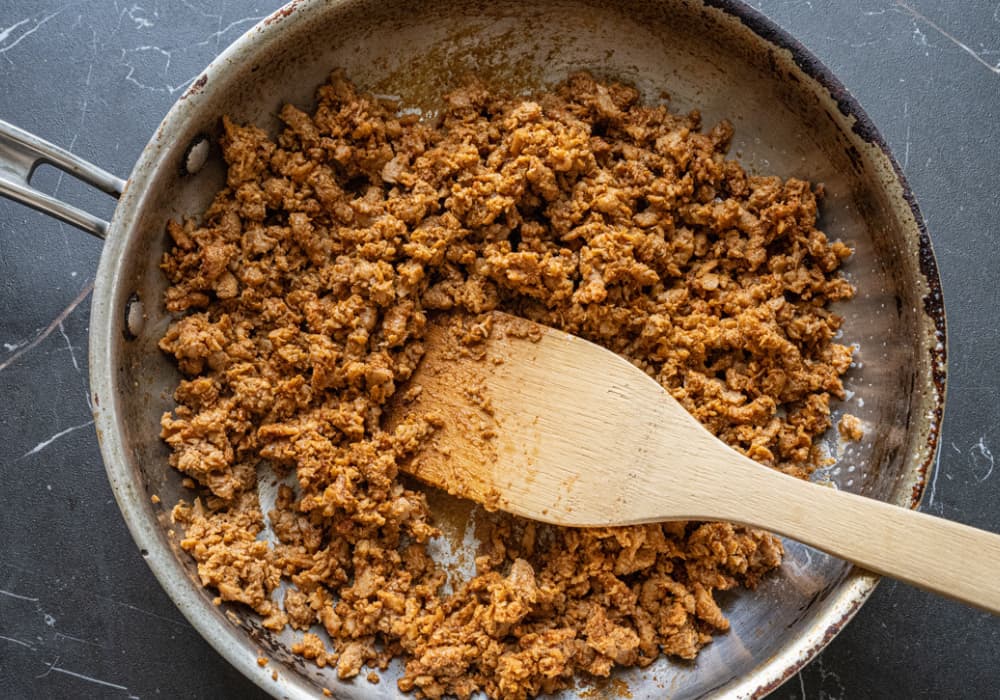
Textured vegetable protein (TVP): A dried, protein-rich ingredient commonly made from defatted soy flour. Available as granules, chunks, or strips, it develops a chewy, meat-like texture when rehydrated.
Soy protein isolate: A concentrated form of soy protein produced by removing much of the fat and carbohydrates from soybeans. It’s commonly used in protein powders, bars, and certain plant-based meat alternatives.
Soy-based meat alternatives: Products made with soy ingredients to recreate familiar meat flavors and textures, including plant-based burgers, sausages, nuggets, and ground “beef” like Impossible, which we use in our crunchwrap supreme. However, not all meat alternatives contain soy, as some use other plant proteins.
And soy’s versatility is only part of the story! This tiny bean also has plenty to offer nutritionally.
What makes soy so special?
Now that we’ve explored the many different ways to enjoy soy, let’s take a look at its potential health benefits.
A source of complete protein
Unlike many other plant-based protein sources, soy is considered a complete protein, meaning it provides all nine essential amino acids our bodies need but can’t produce on their own.3 These amino acids play an important role in building and repairing muscles and maintaining lean body mass. And can you believe that just one cup of boiled soybeans contains 31 grams of protein?4
Pretty impressive for a little bean, right?
Nutrients and plant compounds
Beyond its impressive protein content, soybeans provide a variety of essential vitamins and minerals, including folate, vitamin K, phosphorus, and thiamine. They’re also rich in naturally occurring plant compounds called isoflavones, which have antioxidant properties and can interact with estrogen receptors in the body. And let’s not forget fiber! Whole soybeans contain both soluble and insoluble fiber, which help support gut health.4
Supporting heart health
Another noteworthy benefit of soy is its potential to support heart health. Research suggests that soy protein may help modestly lower LDL, or “bad,” cholesterol.5 Soy foods are also naturally cholesterol-free, and many are low in saturated fat, making them a heart-friendly alternative to certain animal products.6 Pairing soy with other nutritious foods like oats, nuts, and vegetables can help create a balanced, heart-healthy diet.
Common soy myths, explained
While researchers continue to study soy’s potential role in supporting various aspects of health, we’re here to help shed some light on the most common misconceptions about soy’s overall impact.
Does soy affect estrogen levels?
One of the most common misconceptions about soy is that it increases estrogen levels because it contains compounds called isoflavones. Isoflavones resemble estrogen, but behave differently in the body. Research on soy isoflavones and estrogen in humans generally has not found an increase in estrogen levels.7 Overall, research supports soy foods as part of a healthy, balanced diet.
Is soy bad for men?
Another common misconception is that eating soy may be harmful to men’s hormonal health. Because soy contains isoflavones, some worry that it may affect testosterone and other reproductive hormones. However, a 2021 meta-analysis of 41 clinical studies on soy and men’s reproductive hormones found no significant effects of soy protein or isoflavones on testosterone or estrogen levels in men.8
Does soy increase cancer risk?
One other common concern surrounding soy is whether eating it increases the risk of cancer, particularly breast cancer. However, according to the American Cancer Society’s guidance on soy and cancer risk, research has not linked consuming soy foods to an increased risk of cancer.9 In fact, research suggests that soy may offer some protective benefits against breast cancer, particularly among Asian populations. It’s important to note that major cancer organizations do not recommend taking concentrated soy isoflavone supplements for cancer prevention, because their benefits and long-term safety aren’t as well established as those of ordinary soy foods.9
The versatile world of soy: Easy ways to cook with it
Now that we’ve tackled some of soy’s potential benefits, you may be wondering how to incorporate more of it into your diet. The good news? It’s much easier than you think!
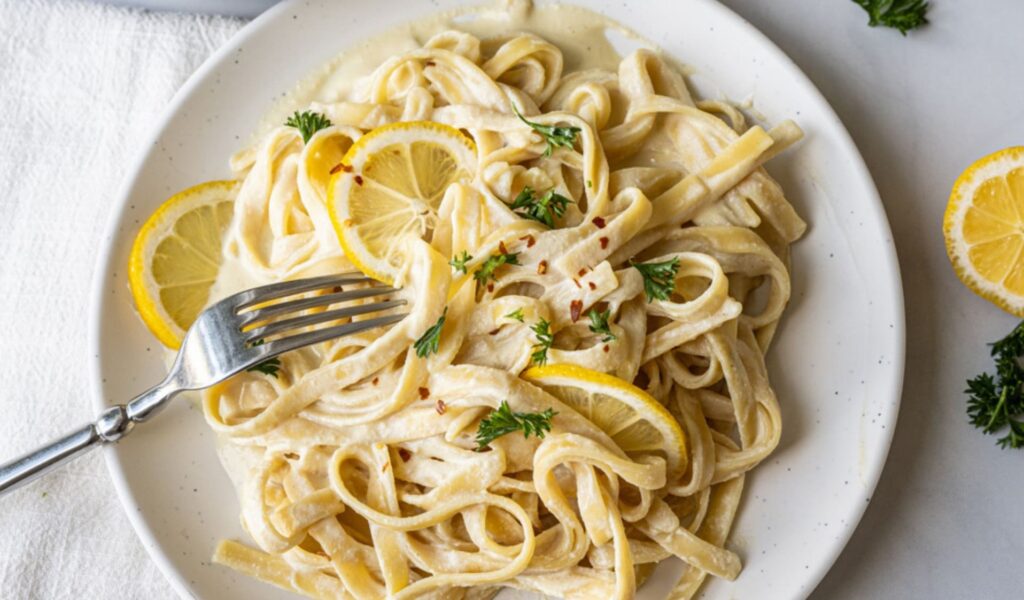
Tofu: From soft and silky to firm and extra-firm, tofu’s different textures make it incredibly adaptable in the kitchen! Try blending silken tofu into desserts or creamy sauces, like our creamy Alfredo, or pressing extra-firm tofu before marinating and baking it for a delicious addition to grain bowls, stir-fries, or our tofu BLT.
Tempeh: With its firm, chewy texture, tempeh makes a satisfying meat alternative. Try crumbling it into pasta sauces, slicing it for stir-fries, or marinating and baking it for sandwiches.
Miso: This savory paste adds a rich, umami flavor to soups, salad dressings, marinades, and even cheese sauces, like the one in our mac and cheese. Try whisking a spoonful into a simple dressing with lemon juice, olive oil, and a little water.
TVP: Just rehydrate according to the package instructions and add it to tacos, chili, or pasta sauces for a hearty, protein-rich meal.
Soy milk: One of the easiest swaps! Use soy milk in smoothies, oatmeal, coffee, and baking recipes in place of dairy milk. Choose unsweetened varieties for savory dishes or whenever you don’t want the added sweetness.
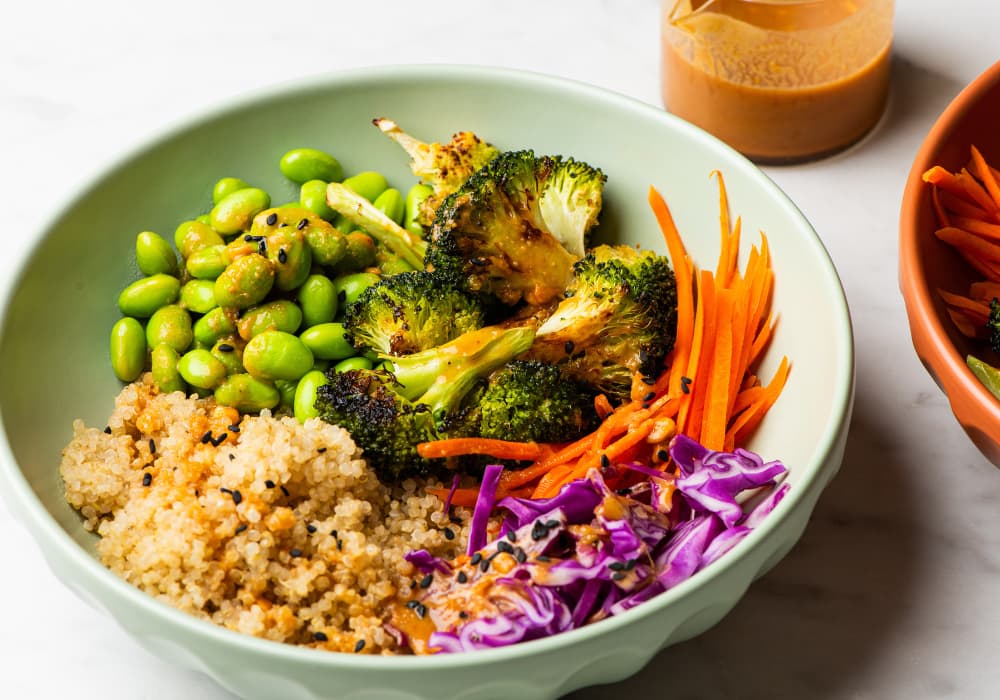
Edamame: This one’s easy! Simply steam and season with a pinch of sea salt for a protein-packed snack, or toss shelled edamame into salads, noodle dishes, and grain bowls like our Buddha bowls with soy-ginger dressing.
Your guide to shopping for soy
Ready to stock your kitchen with soy-based staples? Here are a few tips to make shopping for soy simple, affordable, and stress-free!
Where can you find soy products?
Tofu and tempeh: Refrigerated or plant-based sections
Miso: Refrigerated or international aisle
TVP: Dry goods, bulk foods, or health-food sections
Soy Milk: Refrigerated dairy alternatives or shelf-stable beverage aisle
Edamame: Frozen vegetable section
Looking to save money on your plant-based groceries? Buy dried or canned soybeans for their longer shelf life. And compare store brands to specialty versions when purchasing soy milk or tofu.
How to choose the right tofu
When choosing tofu, it’s important to consider its firmness and how you plan to use it. As mentioned previously, it can be found as silken, soft, firm, and extra-firm. Consider silken tofu for recipes calling for a creamy texture, while soft works well in soups and other delicate dishes. Firm and extra-firm contain less water than softer varieties, making them great for sautéing, grilling, or adding to sandwiches, like our vegan crispy chicken sandwich, a Chick-fil-A copycat made with pickle-brined tofu.

We know that shopping for new foods can be intimidating, so we recommend starting with a few beginner-friendly soy foods instead of buying everything at once. Consider firm tofu or frozen edamame as easy first purchases. You can also look for shelf-stable soy milk if you’re not planning to use it right away. And as you become more comfortable, have fun experimenting with all the different ways to enjoy soy!
What if you can’t eat soy?
Whether you have a soy allergy or simply prefer to avoid it, the good news is there are plenty of delicious plant-based alternatives to explore!
Oat milk makes a great replacement for soy milk, while chickpea-based tofu offers a soy-free alternative to traditional tofu. Looking for a substitute for soy sauce? Try coconut aminos for a similar savory flavor. And for a hearty, protein-rich meat alternative, seitan, made primarily from wheat gluten, is another option.
If you have a soy allergy, remember to carefully check ingredient labels for hidden sources of soy, as soy can sometimes sneak into sauces, dressings, and packaged plant-based foods.10 Even products like seitan may contain soy-based seasonings, so always double-check before trying something new!
Frequently asked questions about soy
Does tofu always need to be pressed?
Nope! Pressing tofu is simply a useful cooking technique. Removing excess water can help firm or extra-firm tofu develop a crispier texture when pan-frying or baking. However, avoid pressing silken or soft tofu, as these varieties can break apart easily.
Can you freeze tofu?
Absolutely! Freezing tofu can extend its shelf life up to five months and give it a firmer, chewier texture. Once thawed, tiny air pockets make it especially good at absorbing marinades, sauces, and broths. Simply freeze it in its original package or drain, slice, and transfer it to a freezer-safe bag.
What’s the difference between edamame and soybeans?
Edamame are young, green soybeans harvested before maturity. They’re typically enjoyed cooked, either shelled or served in their pods (just remember to eat the beans, not the pods!). Mature soybeans, on the other hand, are harvested later and can be enjoyed whole or processed into other soy foods.
By now, we hope you’re feeling more confident and excited about the wonderful world of soy! And while we know there’s a lot more to this small bean than meets the eye, we hope you’re feeling inspired to give it a try. But no pressure — incorporating just one or two soy foods into your daily routine is a great place to start!
Not sure where to start? Explore our plant-based recipes for beginners.
- Encyclopaedia Britannica. (n.d.). Tofu. Encyclopaedia Britannica. https://www.britannica.com/topic/tofu
- Prado, F. G., et al. (2022). Fermented Soy Products and Their Potential Health Benefits: A Review. Microorganisms. https://pmc.ncbi.nlm.nih.gov/articles/PMC9416513/
- Messina, M., et al. (2022). The Health Effects of Soy: A Reference Guide for Health Professionals. Frontiers in Nutrition. https://pmc.ncbi.nlm.nih.gov/articles/PMC9410752/
- Arnarson, A. (2023). Soybeans 101: Nutrition Facts and Health Effects. Healthline. https://www.healthline.com/nutrition/soybeans
- Blanco Mejia, S., et al. (2019). A Meta-Analysis of 46 Studies Identified by the FDA Demonstrates that Soy Protein Decreases Circulating LDL and Total Cholesterol Concentrations in Adults. The Journal of Nutrition. https://pubmed.ncbi.nlm.nih.gov/31006811/
- Mayo Clinic Staff. (2024). Soy: Does It Reduce Cholesterol? Mayo Clinic. https://www.mayoclinic.org/diseases-conditions/high-blood-cholesterol/expert-answers/soy/faq-20057758
- Viscardi, G., et al. (2025). Effect of Soy Isoflavones on Measures of Estrogenicity: A Systematic Review and Meta-Analysis of Randomized Controlled Trials. Advances in Nutrition. https://pmc.ncbi.nlm.nih.gov/articles/PMC11784794/
- Reed, K. E., et al. (2021). Neither Soy nor Isoflavone Intake Affects Male Reproductive Hormones: An Expanded and Updated Meta-Analysis of Clinical Studies. Reproductive Toxicology. https://pubmed.ncbi.nlm.nih.gov/33383165/
- American Cancer Society. (2025). Soy and Cancer Risk: Our Expert’s Advice. American Cancer Society. https://www.cancer.org/cancer/latest-news/soy-and-cancer-risk-our-experts-advice.html
- Food Allergy Research & Education (FARE). (n.d.). Soy Allergy. Food Allergy Research & Education. https://www.foodallergy.org/living-food-allergy/food-allergy-essentials/common-allergens/soy
Try Plant-based Today