
Vegan egg substitutes: Types, uses, and how to choose them
If you’ve ever stared at a recipe that calls for eggs and wondered how you’re supposed to make it vegan, you’re not alone. Eggs show up everywhere—cakes, cookies, pancakes, omelets, meatloaf—and it’s easy to assume they’re impossible to replace. The good news? They’re not. There’s a whole toolbox of vegan egg substitutes, and once you know which one to reach for and when, egg-free cooking and baking becomes second nature.
This guide walks through exactly what eggs do in a recipe, the most popular plant-based egg substitutes vegan cooks and bakers rely on, and how to pick the right one for whatever you’re making.
What do eggs actually do in a recipe?
Before you can replace an egg, it helps to know what job it’s doing. Eggs usually serve one (or more) of these four roles:
- Binding: holding ingredients together so your cookies, burgers, or meatloaf don’t fall apart.
- Leavening: helping baked goods rise and get fluffy, especially in cakes and muffins.
- Moisture: adding richness and keeping baked goods from drying out.
- Richness/structure: contributing to texture, color, and that custardy quality in things like quiches or French toast.
Once you know which job the egg is doing in your recipe, it’s much easier to pick the right substitute.
Types of vegan egg substitutes
Buckle up, because you have quite a few vegan egg substitutes to choose from!
- Flax Egg – A flax egg is simply ground flaxseed mixed with water (typically 1 tablespoon ground flax to 3 tablespoons water, left to sit until it thickens into a gel). It’s one of the most popular egg substitutes for vegan baking because it mimics the binding and slight structure an egg provides.

- Chia Egg – Made the same way as a flax egg but with chia seeds instead, a chia egg works almost identically—great for binding, with a slightly more neutral flavor and a noticeable seedy texture.
- Fruit Purées – Mashed banana, unsweetened applesauce, or even pumpkin purée can replace eggs in recipes where moisture and binding matter more than rise, like muffins, quick breads, or brownies. Just keep in mind they add a bit of natural sweetness and flavor. Aim for ¼ cup of purée per egg.
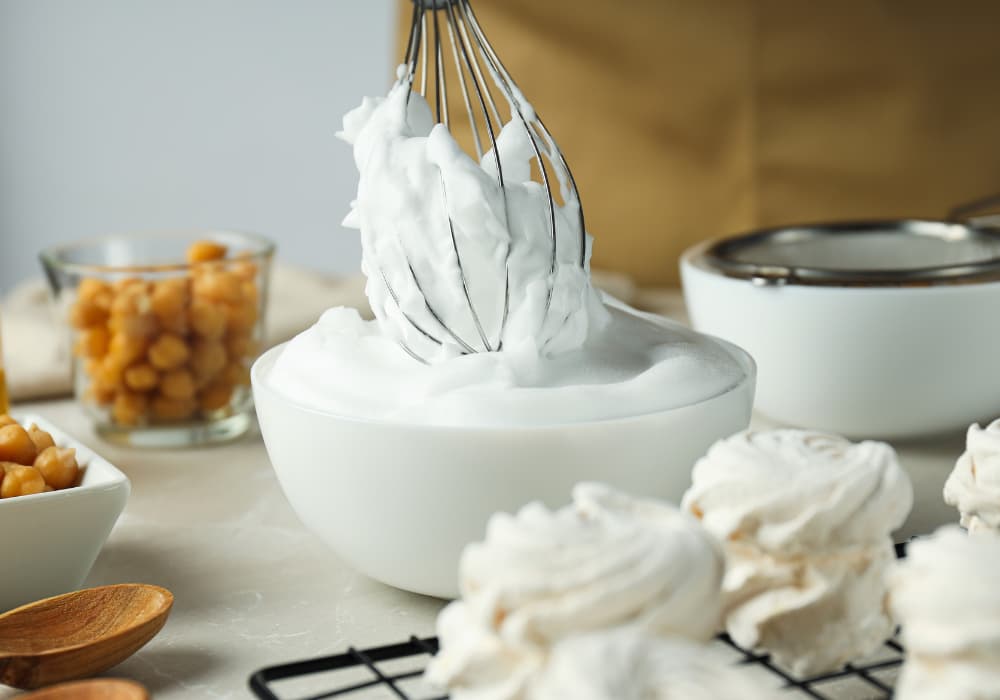
- Aquafaba – Aquafaba is simply the liquid left over from a can of chickpeas, and it’s surprisingly magical. When whipped, it mimics egg whites almost perfectly, making it one of the best egg white substitutes for things like meringues, macarons, or mousse. Aim for 3 tablespoons of aquafaba per egg.
- Store-Bought Egg Replacers – Powdered egg replacers (like starch-and-leavening blends) are mixed with water to create an all-purpose stand-in. These are some of the most convenient egg substitutes for vegan baking because they’re formulated specifically to mimic an egg’s binding and leavening power.
- Liquid Plant-Based Eggs – These pourable, bottled or carton products are designed to scramble, fry, or bake just like real eggs, making them one of the best egg substitutes for scrambles, omelets, and frittatas. Try one in our vegan egg bites, a Starbucks copycat baked right in a muffin tin.

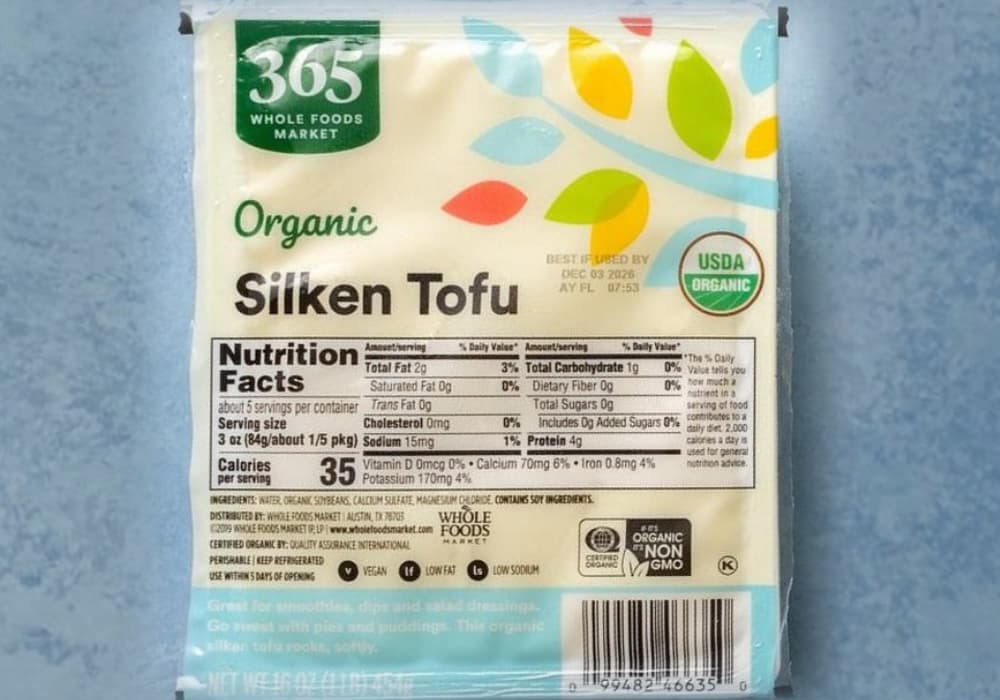
- Tofu – Blended silken tofu is a classic stand-in for richness and moisture in baking, while crumbled firm tofu, seasoned well, is a go-to for vegan quiches and scrambles.
- Chickpea Flour (Besan): Mixed with water to form a thick, slightly eggy-tasting batter, chickpea flour is a go-to for savory dishes like vegan omelets, scrambles, frittatas, and quiches—its density and mild binding power make it great for mimicking the texture of whisked eggs. Just note that it’s less suited for sweet baked goods, where its earthy flavor can be more noticeable.
Best egg substitutes—uses for every type
Not every egg substitute works for every dish, so here’s a quick cheat sheet:
For baking (cakes, muffins, cookies, bread):
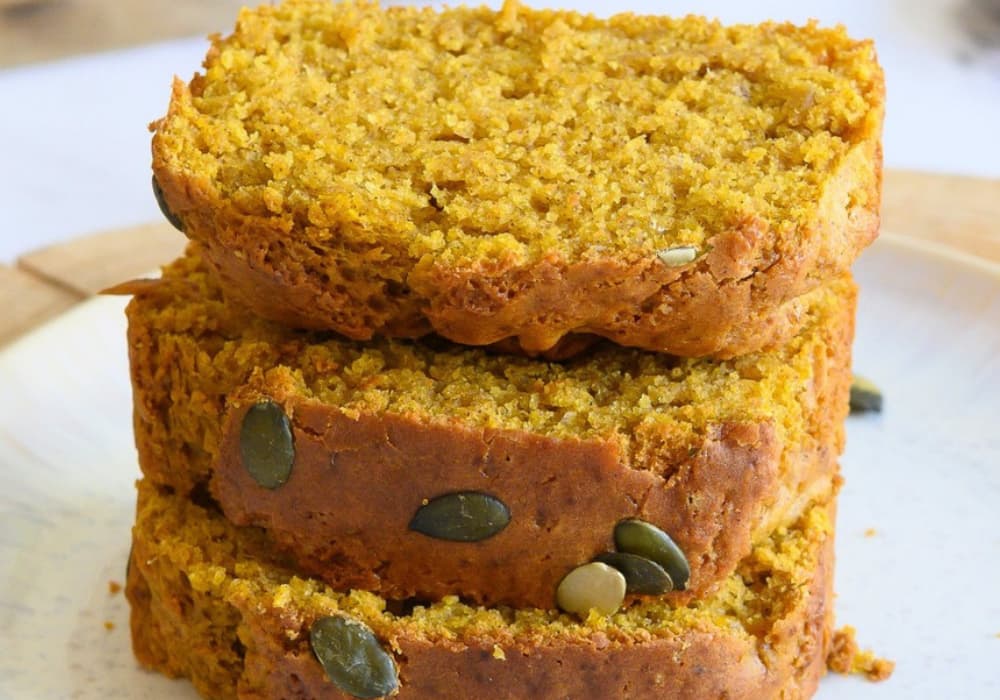
- Flax or chia eggs: A great all-purpose binder for cookies, pancakes, and quick breads like our vegan pumpkin bread.
- Fruit purées: ideal for moist baked goods like muffins and brownies.
- Store-bought egg replacers: reliable for cakes where rise and structure matter.
- Silken tofu: adds density and moisture to denser bakes like brownies or dense cakes.
For vegan egg substitutes in cake specifically: a combination of a store-bought replacer (for lift) and applesauce or flax (for moisture) usually gives the most reliable results.
For egg substitutes in bread: flax eggs or a touch of aquafaba work well for enriched doughs that need a little binding without weighing things down.
For frying and savory cooking (omelets, scrambles, quiches):
- Liquid plant-based eggs: best for a true egg-like texture and flavor when frying or scrambling.
- Chickpea flour (besan) mixed with water: whisks up into a thick, savory batter that mimics the texture of beaten eggs.
- Tofu with turmeric, black salt (kala namak), and nutritional yeast: a classic, budget-friendly scramble base. Try it in our tofu scramble breakfast burritos, or blend it into a creamy filling like in our eggless tofu quiche.

For egg white substitutes (meringues, frostings, cocktails):
Aquafaba is the clear winner—nothing else whips up quite like it.
For egg yolk substitutes (richness in custards or sauces):
Blended silken tofu or a small amount of plant-based milk thickened with cornstarch can mimic the richness yolks provide.
For egg wash substitutes (that golden, shiny finish on pastries or bread):
A light brush of plant-based milk, melted vegan butter, or maple syrup diluted with water all do the trick.
How to choose and shop for vegan egg substitutes
When you’re staring down the egg substitute aisle (or your own pantry), here’s what to consider:
- Think about the job the egg needs to do. If you need lift, lean toward a store-bought replacer or aquafaba. If you need moisture and binding, flax, chia, or fruit purée will do the job well.
- Check the ingredient list on store-bought options. Some liquid plant-based eggs are soy-based, while others are made from mung bean protein—useful to know if you’re managing an allergy.
Popular brands you’ll likely spot in U.S. grocery stores include JUST Egg (a liquid, mung bean–based egg popular for scrambling and frying), Bob’s Red Mill Egg Replacer and Ener-G Egg Replacer (powdered, shelf-stable options great for baking). These are widely available and a good starting point if you’re new to shopping for egg substitutes.
For whole-food options, flaxseed, chia seeds, chickpeas (for aquafaba), and silken tofu are usually found in the baking aisle, bulk bins, or refrigerated section — and they tend to be the most affordable choice for vegan substitutes for eggs.
Storage and shelf life
- Ground flax and chia seeds: store in the fridge or freezer to keep them from going rancid; mixed flax/chia eggs should be used immediately.
- Aquafaba: keeps in the fridge for about a week, or can be frozen in ice cube trays for longer storage.
- Store-bought powdered egg replacers and chickpea flour: shelf-stable in the pantry for months—just check the package date.
- Liquid plant-based eggs: treat like regular eggs — refrigerate and follow the package instructions once opened.
- Silken or firm tofu: refrigerate after opening and use within about 3-5 days.
FAQs
What are good egg substitutes for everyday cooking?
It depends on the dish—but flax eggs, aquafaba, and liquid plant-based eggs cover most bases between baking and savory cooking.
What are the best vegan egg substitutes for beginners?
Start with a store-bought powdered egg replacer or flax egg for baking, and a liquid plant-based egg for scrambles—they’re the most forgiving and foolproof.
Can I use the same egg substitute for every recipe?
Not quite. What works in a cake won’t necessarily work in an omelet. Matching the substitute to the egg’s job (binding, leavening, moisture, or richness) gives the best results.
Are egg substitutes good for egg allergies?
Yes, most vegan egg substitutes are a reliable option for anyone managing an egg allergy since they’re entirely egg-free by nature. As always, double-check packaging for other allergens like soy or nuts.
What’s the easiest egg substitute to start with?
A flax egg is one of the simplest and most budget-friendly options—just two ingredients you likely already have at home. Aquafaba is another budget-friendly alternative for anything that requires egg whites.
Do vegan egg substitutes change the taste of a recipe?
Most are fairly neutral, though fruit purées (like banana) can add a subtle flavor. If you want a truly neutral result, store-bought replacers or aquafaba are good picks.
Head to our recipe index for more ideas to add to your rotation. And if you make something awesome with vegan egg alternatives, we want to hear about it! Drop us a line at [email protected] or tag us on the socials so we can celebrate your eggless win!
Try Plant-based Today