What is plant-based meat? Impossible, Beyond & more
If you’ve walked past the plant-based meat section at the grocery store and wondered what’s actually in those burgers, sausages, and ground “meat” packages, you’re far from alone. The category has grown so quickly—and so convincingly!—that it’s easy to feel a little lost on what’s what. So, what is plant-based meat, exactly? In short, it’s food designed to mimic the taste, texture, and cooking experience of meat, but made entirely from plant ingredients. This guide walks through what it’s made from, the different forms you’ll find, how popular brands compare, and how to pick the right one for whatever you’re cooking.
What is plant-based meat made from?
Plant-based meat ingredients vary by brand and product, but most fall into a few common categories:
Soy. Soy protein, often in a form called textured vegetable protein (TVP)—defatted soy flour that’s been processed into a fibrous, chewy texture similar to ground meat—is one of the most common bases, especially in ground “meat” and crumbles.
Pea protein. Extracted from yellow peas, this is the protein base behind many well-known burgers and sausages, prized for its ability to mimic meat’s texture and hold up well on a grill.
Wheat (seitan). Seitan is made from wheat gluten, kneaded and cooked until it becomes dense and chewy—a texture that holds up particularly well in dishes like stir-fries or sliced “deli” style preparations.
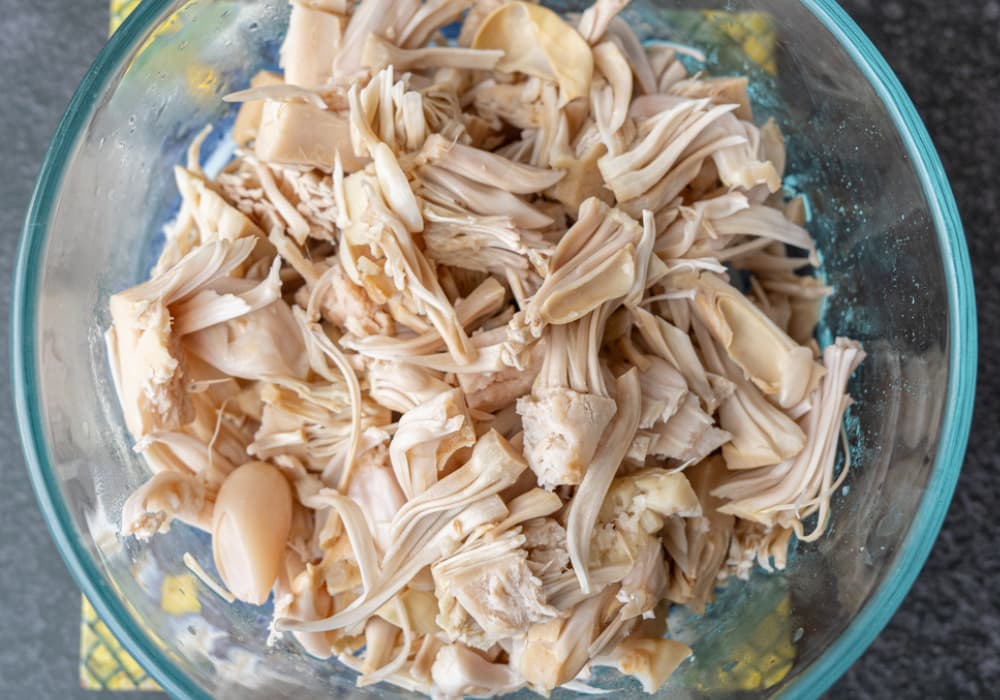
Jackfruit. A tropical fruit with a naturally stringy, fibrous texture when unripe, jackfruit is often used as a whole-food base for shredded “pulled” dishes.
It’s worth noting that whole foods like tofu and tempeh (a firm, fermented soybean cake with a nutty flavor) can also stand in for meat in many dishes, though they’re less processed and have a different texture than the products covered in this guide. For more information, don’t forget to check out our tofu guide!
Types and forms of plant-based meat
How is plant-based meat made into so many different shapes and textures? Manufacturers typically start with one of the protein bases above, then process, season, and shape it to match a specific meat format. Here’s what you’ll commonly find:
Dried TVP (Textured Vegetable Protein): Made from dehydrated soy flour, this shelf-stable, budget-friendly option comes in small granules or chunks and needs to be rehydrated in water or broth using a 1:1 ratio before cooking. It’s a blank canvas that takes on whatever seasonings you add, making it a popular choice for tacos, chili, and spaghetti sauce.
Burgers. Pre-formed patties, often the most recognizable plant-based meat alternative, designed to hold together on a grill or in a pan and deliver a juicy, meaty bite.
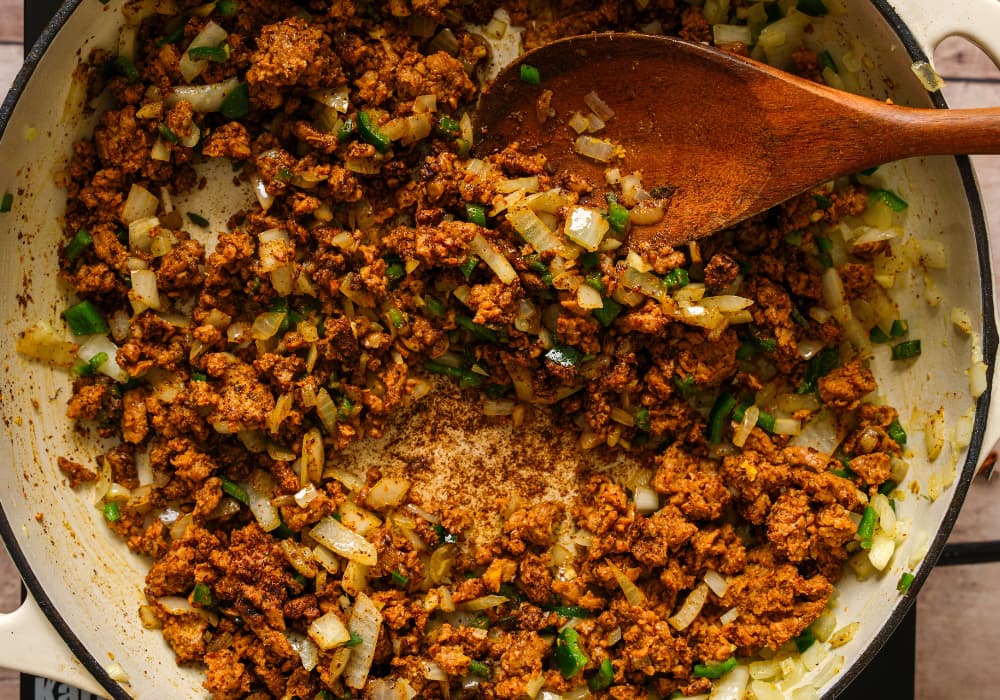
Ground. Sold loose in a tube or package, ground plant-based meat is designed to crumble and brown much like ground beef or turkey, making it one of the most versatile forms on the shelf.
Sausages. Available in links or patties, in flavors ranging from Italian-style to breakfast sausage, these are usually pea- or soy-based and hold their shape well when grilled or pan-fried.
Deli slices. Plant-based deli meat and plant-based lunch meat come pre-sliced, mimicking turkey, ham, salami or other classic sandwich meats, and are usually soy- or seitan-based for a firmer, sliceable texture.
Chicken-style pieces. Sold as strips, nuggets, or tenders, these are usually soy- or pea-based and designed for dishes where you want distinct, bite-sized pieces rather than a crumble.
Best plant-based meat alternatives—uses for each type
Matching the form to the dish makes a big difference in how satisfying the result feels.
For tacos, chili, or pasta sauce: Ground plant-based meat or rehydrated TVP is the easiest starting point—it browns in a skillet much like ground beef and absorbs seasoning well, making it a natural fit for vegan walking tacos or a bowl of one-pot vegan chili mac.
For burgers and the grill: A pre-formed plant-based burger patty is designed to sear, hold its shape, and deliver a convincingly charred, juicy bite. Use it to make a vegan Big Mac at home, or go smaller with vegan cheeseburger sliders for a crowd.
For sandwiches: Plant-based deli meat or lunch meat slices straight onto bread, no cooking required, making it one of the lowest-effort options in the category. Pile it into a vegan Italian grinder sandwich for an easy lunch.
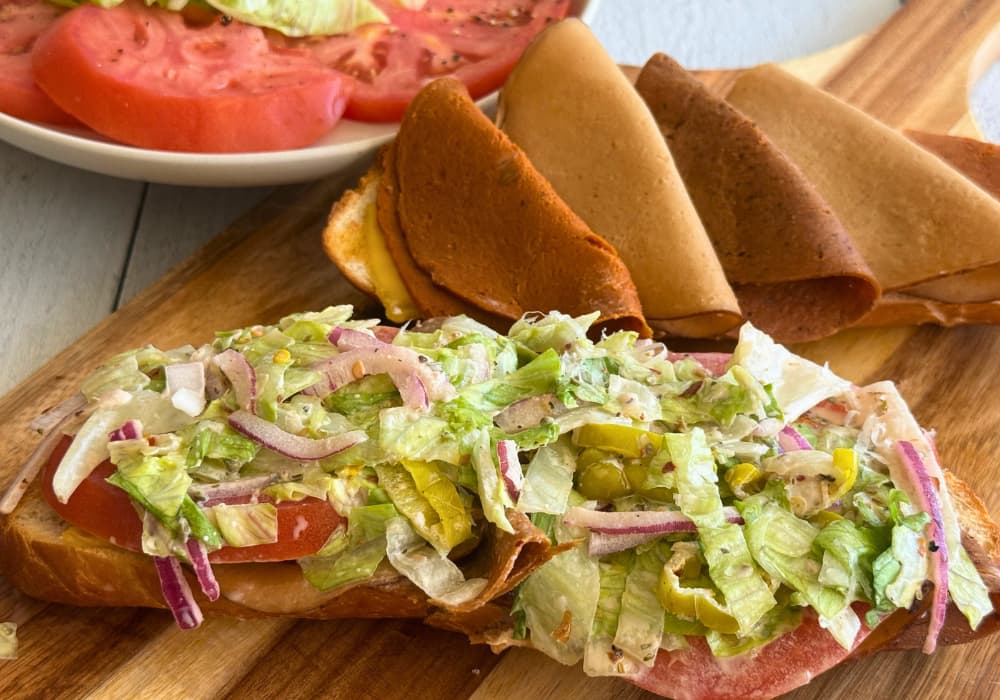
For stir-fries: Strips of seitan, chicken-style pieces, or plant-based steak tips hold up well to high heat and quick cooking, soaking up stir-fry sauces nicely. Try steak tips in a vegan beef and broccoli for a takeout-style dinner at home.
For breakfast: Plant-based sausage patties or links fit easily into a familiar breakfast spread alongside vegan eggs, toast, or a breakfast burrito. You can also crumble them into a hearty vegan breakfast casserole for an easy make-ahead meal.
For pulled, shredded dishes: Jackfruit-based products are a great match for barbecue sandwiches, tacos, jackfruit fajita quesadillas, or anything where a shredded, saucy texture works best.
Popular brands: how they compare
If you’re new to the category, a few plant-based meat companies dominate grocery store shelves, and it helps to know what sets them apart.
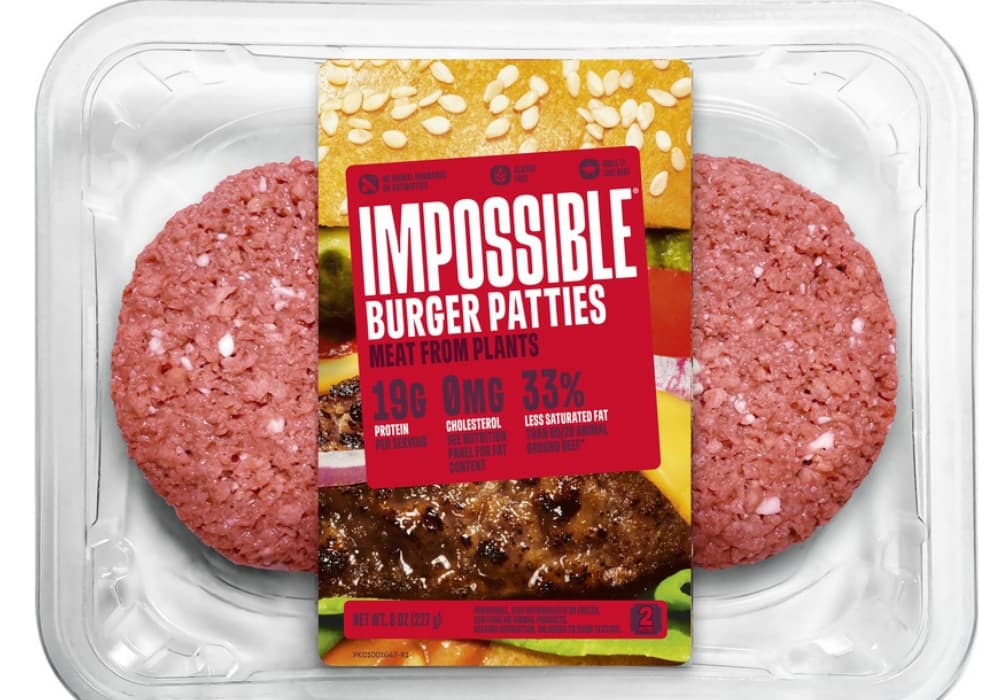
Impossible Foods is known for its burgers, ground “meat,” and sausages, made primarily from soy protein. Their products are often praised for a juicy, meat-like texture and are widely available both in grocery stores and on restaurant menus.
Beyond Meat uses a pea protein base across its burgers, ground “meat,” and sausages, and is one of the most widely distributed plant-based meat brands, found in the refrigerated or frozen aisle of most major grocery chains.
Gardein offers a broad lineup of chicken-style pieces, including strips, tenders, and nuggets, along with meatless meatballs and other frozen options—a solid choice if you’re looking for ready-to-cook variety beyond burgers.
Field Roast specializes in seitan-based sausages, burgers, hot dogs, nuggets, crumbles and deli slices. They’re known for a firmer, heartier bite that holds up well on the grill.
MorningStar Farms has been in the category longer than most and offers an accessible, widely available range of frozen options, from veggie burgers to breakfast patties. Note that not all MorningStar products are plant-based, so be sure to read the labels!
Butler’s Soy Curls take a different approach than most of the brands above: rather than a seasoned, pre-shaped product, Soy Curls are made from whole soybeans with nothing else added, dried into strips with a naturally chewy, fibrous texture. They’re shelf-stable (no fridge or freezer needed) and rehydrate in warm water before cooking, which makes them a great unseasoned base for soaking up whatever marinade, broth, or sauce you’re using—popular in dishes like stir-fries, fajitas, or curries where you want the seasoning to really shine through.
At the end of the day, no single brand is “the best” across the board—it really comes down to the texture, flavor, and format you’re looking for in a given dish. Trying a couple of different plant-based meat brands is a great way to find your favorites!
How to choose and shop for plant-based meat
With so many plant-based meat brands and forms available, a few tips make shopping easier:
Check the aisle. Plant-based meat alternatives can be found both refrigerated (often near the regular meat section or in a dedicated plant-based area) and frozen, so check both if you don’t see what you’re looking for right away. Soy curls are typically easiest to find online or in specialty stores, while TVP may be available at your grocery store.
Match the form to your meal. If you already know you’re making tacos, grab ground; if it’s burger night, grab patties. Buying the format suited to your dish saves a step later.
Read the ingredient list if you have a specific need. If you’re shopping for someone with a soy or gluten allergy, checking the base ingredient (soy, pea, wheat) up front will save you a return trip.
Don’t be afraid to mix and match brands. Since flavor and texture vary, it’s common for people to prefer one brand’s burger but a different brand’s sausage. There’s no need to stick to just one!
Storage and shelf life
Shelf-stable plant-based meat alternatives are typically fine in the pantry for months at a time. Refrigerated plant-based meat should be used by the date on the package, similar to how you’d treat fresh meat, and typically lasts about a week unopened in the fridge or a couple of months in the freezer. Frozen plant-based meat keeps for several months in the freezer and can usually be cooked directly from frozen or thawed first, depending on the product’s instructions.
Once opened, refrigerated products are best used within a few days, while leftover cooked portions can typically be stored in the fridge for a similar window as you’d expect with any cooked protein (around 4-5 days).
FAQs
Do I need to cook plant-based meat differently than regular meat?
Not usually. Most products are designed to be cooked the same way: pan-seared, grilled, or baked. Cooking times may be slightly shorter since many are pre-cooked or quick-cooking, so it’s worth checking the package instructions the first time.
What’s the easiest plant-based meat alternative to start with?
Ground plant-based meat or a pre-formed burger tend to be the most familiar entry points, since they slot easily into recipes you probably already make.
Is plant-based meat healthy?
It varies by product and depends on your individual needs, so it’s worth checking the label if you have specific nutritional priorities.
Can I substitute plant-based meat 1:1 in my usual recipes?
In most cases, yes. Ground plant-based meat, burgers, and sausages are generally designed as direct swaps for their animal-based counterparts in recipes.
Are plant-based meat alternatives only for vegans?
Not at all! Meat alternatives for vegans are certainly part of the appeal, but plenty of people buy them simply because they enjoy the flavor and texture, or want to work a few more meatless meals into their week.
Where can I find plant-based meat in the grocery store?
Look in the refrigerated meat alternative section (sometimes near regular meat, sometimes in its own display) as well as the frozen aisle, which usually carries a wider variety of chicken-style pieces and sausages.
Ready to put one of these to the test? Try our vegan ranchero beans for an easy way to use ground plant-based meat, or head to our recipe index for more ideas to add to your rotation. And if you make something delicious with plant-based meat, we want to hear about it! Drop us a line at [email protected] or tag us on the socials so we can celebrate your meatless win!
Try Plant-based Today