What is nutritional yeast? Benefits and how to use it
Looking for an easy way to add cheesy, savory flavor to your favorite vegan meals? Meet nutritional yeast — or “nooch,” if you’re in the know.
These golden flakes are a staple in any plant-based pantry. Use them to season everything from popcorn and pasta to soups and salad dressings. Not to mention, nooch is packed with nutrients. Just a couple of tablespoons offer a solid boost of protein and fiber, plus B12 and other vitamins depending on the variety you choose.
Whether you’re curious about the basics or already have a jar in your pantry, this guide has you covered. Discover what nutritional yeast is, what it tastes like, how it fits into a healthy diet, and more, including ten delicious ways to use it in your kitchen.
Nutritional yeast basics
What is nutritional yeast?
Nutritional yeast is a deactivated yeast made from Saccharomyces cerevisiae, the same species used in bread and beer. Starter cultures are grown in fermentation tanks and fed sugar often sourced from sugarcane or beet molasses.
After the yeast has multiplied, it’s harvested and heated to deactivate it — meaning it can no longer ferment or make dough rise. This sets it apart from baker’s yeast, which is alive and used for leavening, and brewer’s yeast, a byproduct of brewing beer.
Once inactive, the yeast is dried into the golden flakes or powder you’ll find in grocery stores. Many brands add vitamins, such as B12, just before this final step.
What does it taste like?
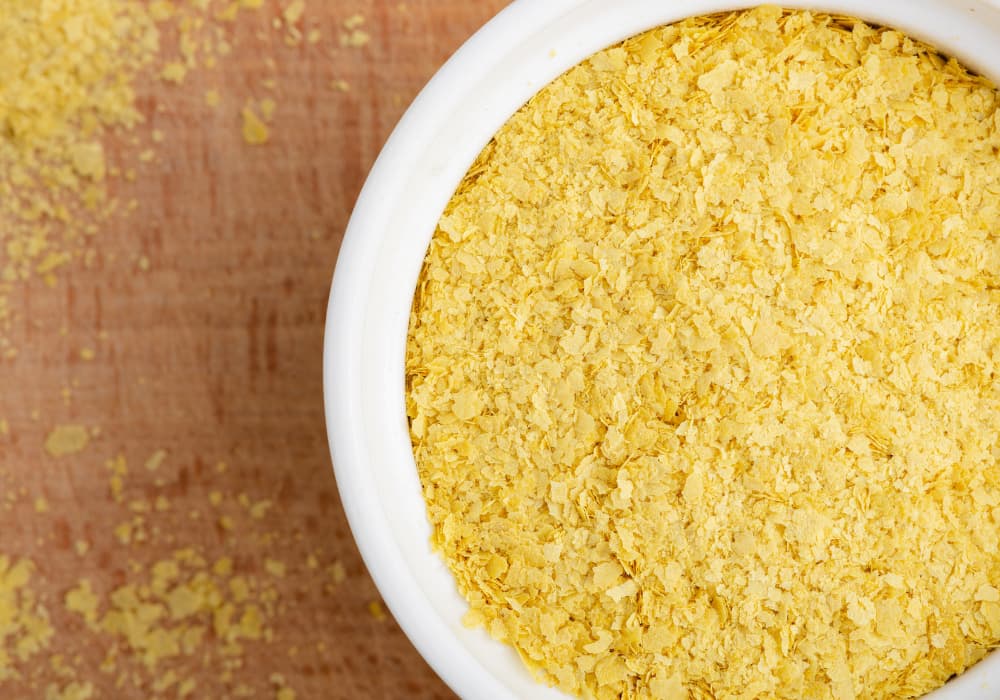
Nutritional yeast is cheesy, nutty, and savory, with a rich umami depth that makes it a staple in plant-based dishes. Its taste is often compared to Parmesan, though this dairy-free seasoning is a bit milder with toasted cheese notes.
Nooch is wonderfully flavorful, but not overpowering. Instead, it lends a satisfying richness to a wide range of recipes. Just note that a little goes a long way!
Fortified vs. unfortified
All nutritional yeast naturally offers trace minerals like selenium and molybdenum, along with select B vitamins such as thiamin and riboflavin. However, unfortified versions contain only what the yeast produces on its own.
Fortified versions are made with additional vitamins to boost nutritional content. This often includes further amounts of thiamin and riboflavin, as well as niacin, vitamin B6, folate, and vitamin B12.
B12 especially matters for vegans because naturally, the vitamin is found almost exclusively in animal products.1 Fortified nutritional yeast is a tasty, reliable source. Check the label to see which kind you’re buying and what nutrients have been added since brands vary.
Nutrition and health benefits
This gluten-free seasoning packs a surprising amount of nutrition into a standard serving of just two tablespoons. Exact numbers vary by brand, so always refer to a specific product’s label.
B vitamins: A single serving of many fortified nutritional yeast brands covers well over 100% of the daily B vitamin values, including thiamin, riboflavin, niacin, B6, and B12.
Protein: Nutritional yeast generally provides 4 to 8 grams of protein per serving, with brands like Bob’s Red Mill on the low end and Anthony’s Goods in the upper tier. Nooch is a complete protein, meaning it contains all nine essential amino acids.2
Generally, a serving is 30 to 60 calories — meaning nutritional yeast has more protein per calorie than cheese! Nooch is also fat-free and very low in sodium despite its deep umami flavor.
Fiber: A serving of nutritional yeast contains about 2 to 3 grams of fiber, or roughly 10% of the recommended daily intake. Add a scoop to plant-based recipes to support healthy digestion and help you feel full.
How much should you use?
On most nutritional yeast labels, two tablespoons is the standard serving size. But if you’re new to nooch, consider starting with just a teaspoon or two — especially if you’re sprinkling it directly on something like popcorn or pizza. The raw flavor may be stronger than you expect.
However, if you’re adding nutritional yeast into a dish, you may want to follow the recipe as written or taste as you go. Other ingredients will help balance its rich, savory flavor.
10 ways to use nutritional yeast
Pizza topping
Just like using the shaker at your go-to pizzeria, you can sprinkle nooch over a hot slice for a Parmesan-like finish. Take it further and add nutritional yeast to a homemade pizza cheese, mixing it into a creamy sauce that spreads and bakes onto your pie.
Pasta sauce
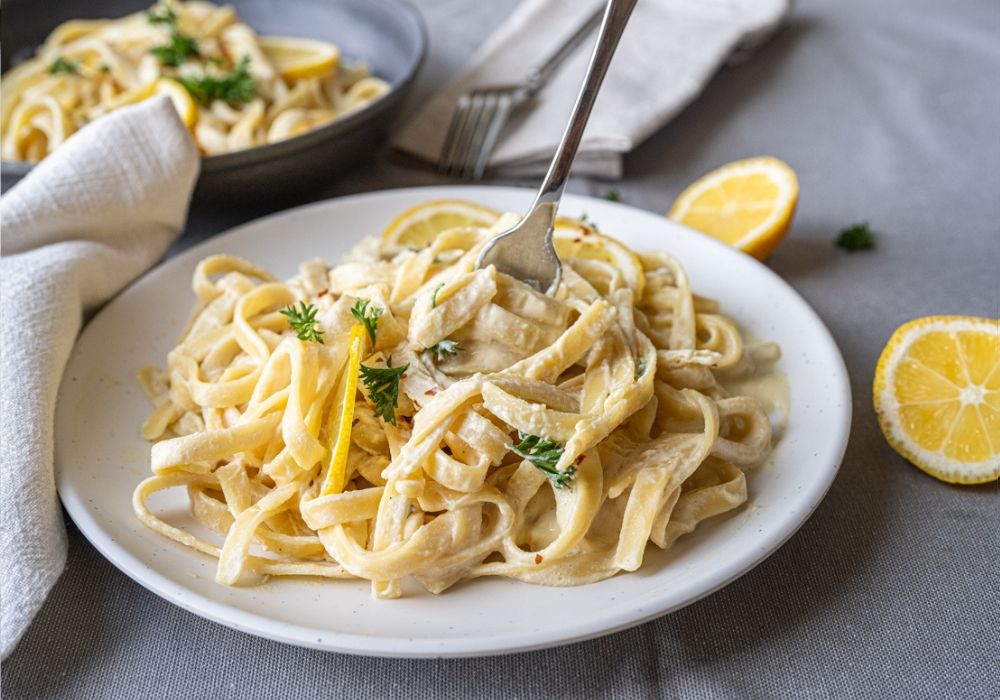
This is where nutritional yeast really shines. Blend it with plant-based milk and your favorite seasonings for a rich sauce that’s perfect for comfort-food classics like mac and cheese.
It also works in fettuccine alfredo and creamy spaghetti, and pairs beautifully with the earthy flavors in a mushroom carbonara. Cashews and white beans are popular ways to boost creaminess even more.
Dips
Nooch adds cheesy flavor to dips without any dairy. Try it in the creamy queso on our loaded nachos for a rich, savory dip that’s perfect for game day.
French fries and popcorn
This is the easiest snack upgrade there is. Toss hot fries with a little oil, then add nooch and salt while they’re still warm so it sticks. For popcorn, drizzle on some melted vegan butter, then sprinkle on the cheesy flavor.
Homemade plant-based cheese
Made with just a handful of ingredients, cashew cheese is especially easy and versatile. Spread it on crackers or try the quick cashew queso in our Vegan Crunchwrap Supreme.
Chili
Stir a tablespoon or two into a pot of chili for extra savory depth. The cheese-like notes in nooch will round out the beans and spices. You can also sprinkle a little on top of a bowl in place of shredded cheese.
Scrambles, omelets, and quiche
Mix nutritional yeast into a tofu scramble breakfast burrito for a golden hue and umami-rich flavor. It also works well in our eggless quiche filling. When making these recipes, add the nooch to the batter or tofu base so it’s evenly distributed.
Roasted vegetables
Toss broccoli, cauliflower, Brussels sprouts, or potatoes with oil and roast as usual, then sprinkle on nutritional yeast near the end of cooking or right out of the oven. You’ll get savory, crispy-edged veggies with a cheesy finish.
Salad dressings
Nooch amplifies a wide variety of salad dressings. Pair it with an acid like lemon juice to brighten the flavor and balance its savory notes. Add olive oil or tahini to carry the umami and give the dressing a smooth, creamy body. Dijon or garlic adds a zesty punch.
Soups
Stir nutritional yeast into soups and stews to add a savory, subtle cheesy flavor. It works especially well in creamy potato, broccoli, and tomato soups, as well as hearty lentil stews. Add a tablespoon or two toward the end of cooking and adjust to taste.
Buying and storing nutritional yeast
Where to buy it and what to look for
Nutritional yeast is easy to find these days, being available online and at most grocery stores. Check the spice or baking aisle for popular brands like Bragg and Bob’s Red Mill.
Some grocers, such as Trader Joe’s and Kroger, also carry their own store-brand nooch, which often comes at a lower cost. You can save by buying nutritional yeast from the bulk bins available at places like Whole Foods and Sprouts, too.
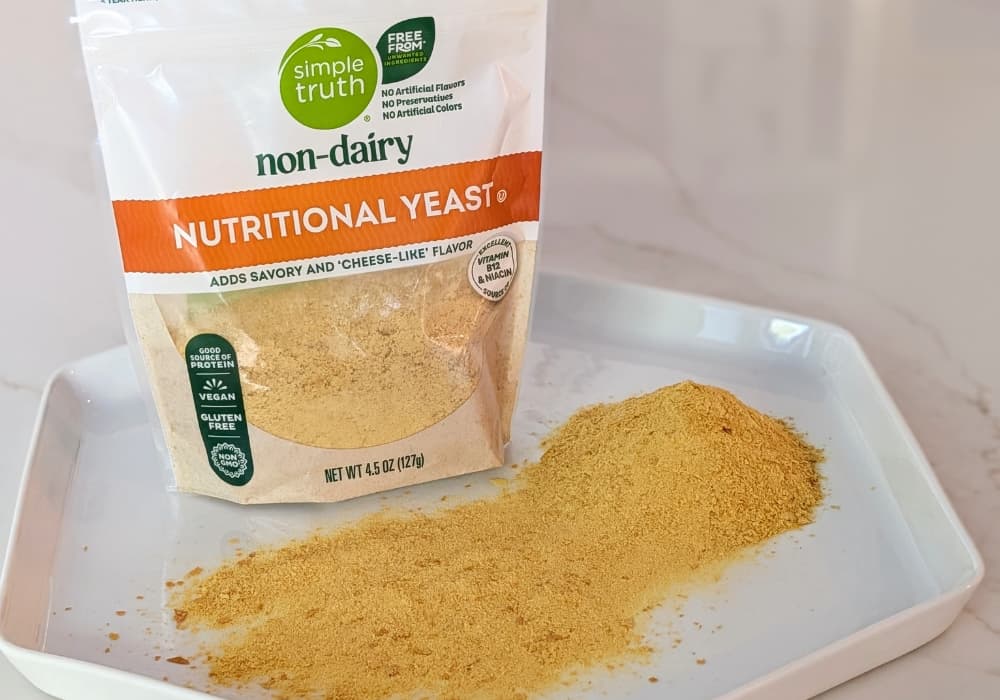
When shopping, look at the ingredients to determine if a product is unfortified or fortified with B12 and other vitamins. Also, while nutritional yeast is naturally free of common allergens like wheat and soy, consider that manufacturing standards vary among brands. Double-check the label to be sure it meets your needs.
Storage and shelf life
Keep nutritional yeast in an airtight container in a cool, dark pantry. So long as it stays dry, it should remain fresh for up to two years. Refrigeration is optional but can potentially extend shelf life, especially in a warm or humid kitchen.
If your nooch turns darker brown, clumps together, or smells different than usual, it’s time to replace it.
Nutritional yeast FAQs
Is nutritional yeast the same as brewer’s yeast or baker’s yeast?
No, nutritional yeast is not the same as brewer’s or baker’s yeast. All three come from the same species, but nutritional yeast is deactivated and made to be eaten. Meanwhile, baker’s yeast is used for leavening, and brewer’s yeast is a byproduct of brewing beer.
Is nutritional yeast gluten-free?
Yes, nutritional yeast is naturally gluten-free. However, check the label for a gluten-free claim since some products may be made in facilities alongside gluten-containing foods.
Does nutritional yeast contain B12?
Nutritional yeast contains B12 only when it’s fortified. If a product is fortified, “vitamin B12” or another name, such as “cyanocobalamin,” will appear on the ingredient list.
Whether you sprinkle it on popcorn or stir it into a creamy sauce, nooch makes a range of foods more savory, satisfying, and nutritious.
- National Institutes of Health Office of Dietary Supplements. (2025, July 2). Vitamin B12: Fact Sheet for Health Professionals. https://ods.od.nih.gov/factsheets/VitaminB12-HealthProfessional
- WebMD Editorial Team, Mitchell, K, & Frances, G. (2026, June 6). Nutritional Yeast: Is It Good for You? WebMD. https://www.webmd.com/diet/nutritional-yeast-good-for-you
Try Plant-based Today