What is vegan cheese? Types, brands, and how to use it
If you’ve ever wondered, “do vegans eat cheese?” the answer is heck yes, we do! And good news: the options have come a long way from the limited options you might remember from a decade ago. Today’s vegan cheese scene includes everything from tangy cashew-based spreads to shreds that melt into satisfying, stretchy pulls on a pizza. Whether you’re plant-curious, cooking for someone who is, or just want to see what all the fuss is about, this guide covers what vegan cheese is made of, the different types and textures you’ll find, and how to pick the right one for whatever you’re making.
What is vegan cheese made of?
Unlike dairy cheese, which starts with animal milk, vegan cheese ingredients are entirely plant-based, and the base ingredient has a big impact on flavor and texture. Here are the main categories you’ll come across:
Nut-based. Cashews are the most popular base for vegan cheese because they blend into a creamy, rich texture that’s naturally suited to soft cheeses—think vegan cashew cheese spreads, vegan ricotta cheese, or a tangy cashew-based cheese ball. Almonds are used less often but show up in some artisanal, cultured varieties.
Soy-based. Soy milk or tofu can be processed into a firmer, often more affordable cheese base, and you’ll frequently find it in sliced or block-style vegan cheeses designed for sandwiches and everyday use.
Coconut-based. Coconut oil and coconut cream show up often in shredded and melty vegan cheeses because the fat content helps them soften and stretch when heated.
Starch and oil-based. Many commercial brands combine plant starches (like potato or tapioca starch) with vegetable oils to create a texture that stretches, melts, or slices similarly to dairy cheese. This is a common formula in vegan mozzarella and other melty shredded cheeses.
Marinated tofu. While this isn’t one you’ll see in stores, a lot of folks love using firm tofu to make a deliciously convincing feta alternative.
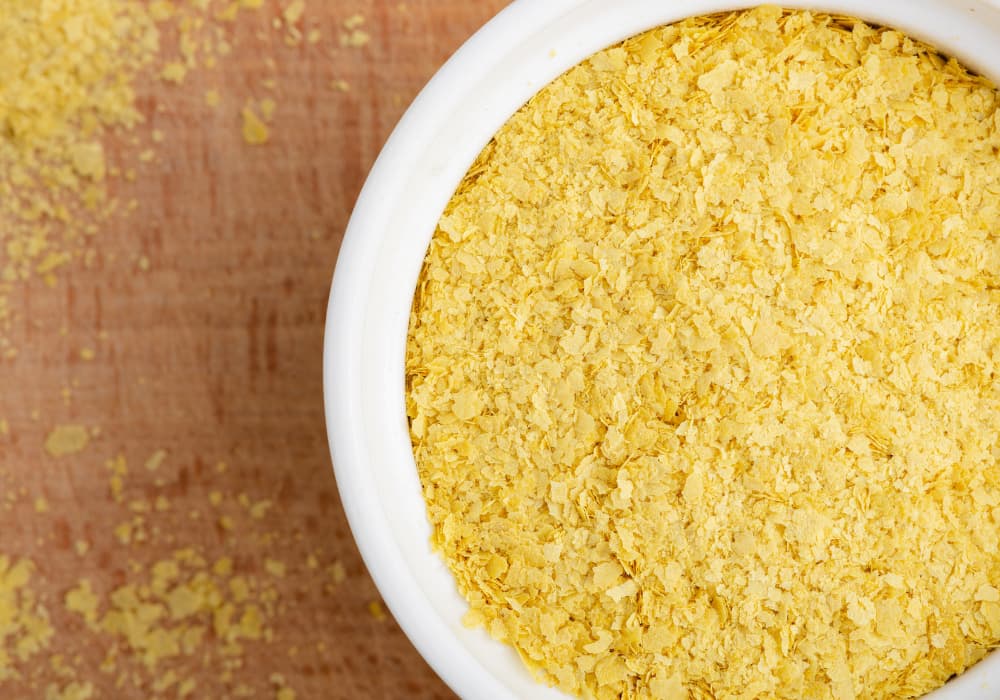
Side Note: You’ll also often see nutritional yeast listed in ingredients or recipes—a deactivated yeast with a naturally savory, slightly cheesy flavor that’s a popular way to add depth to vegan foods. Consider it like a vegan cheese powder. (We love shaking it over freshly popped popcorn!) If you’ve ever made a vegan cheese sauce (like for a vegan mac and cheese recipe), there’s a good chance nutritional yeast was part of the flavor base. Want to learn more? Check out our guide to what nutritional yeast is and how to use it.
What does vegan cheese taste like?
This is probably the question on your mind if you haven’t tried it yet, and the honest answer is: it depends on what you pick up. A cashew-based spread tends to taste rich and slightly tangy, almost like a soft goat cheese. A nutritional yeast-based sauce leans savory and a little nutty, which is part of what gives it that recognizable “cheesy” quality in dishes like vegan nachos or mac and cheese.
Many commercial brands, meanwhile, are formulated to closely mimic a specific dairy cheese—a cheddar-style shred aims for the sharp bite you’re familiar with, while a mozzarella-style version is built to be mild and melt-friendly for superior cheese pulls.
The texture plays just as big a role as the flavor. A good melty shred can deliver the same gooey satisfaction on a pizza or grilled cheese, while a cultured, aged-style wheel can compete with fancy dairy cheeses.
Pro Tip: Taste varies more by brand than you might expect, so if one type doesn’t win you over, it’s worth trying a different base or brand before deciding vegan cheese “isn’t for you.” A lot of people find the one that clicks is simply a different style than the first one they tried!
Types and textures of vegan cheese
Vegan cheese comes in nearly every format dairy cheese does, and knowing the texture categories makes shopping much easier.
Liquid Cheese. Brands like Miyoko’s have created deliciously pourable cheeses that have the consistency of queso, perfect for pasta sauces or poured on pizza.
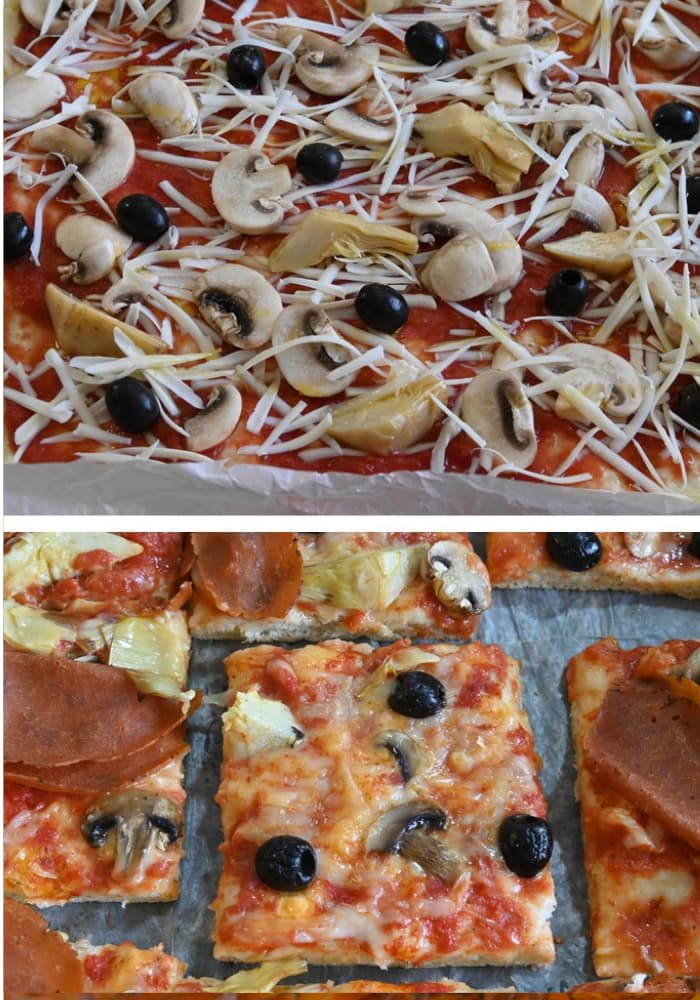
Shreds. Vegan shredded cheese is designed to melt (to varying degrees) and is a go-to for pizza, tacos, casseroles, or anything baked. Brands have made major strides here, with many shreds now browning and stretching convincingly. You can see the difference below: the shreds go from separate strands to golden and bubbly on our sheet pan pizza.
Blocks. Vegan block cheese is typically firmer and meant for slicing or grating yourself—useful if you like cutting your own portions for sandwiches or snacking.
Spreads. This category includes vegan cream cheese, flavored spreads, and soft cheeses like vegan boursin cheese—all made for spreading onto bread, bagels, or crackers rather than melting.
Slices. Vegan cheese slices are pre-cut and portioned, ideal for sandwiches, burgers, or grilled cheese, and many are formulated specifically to soften nicely between bread.
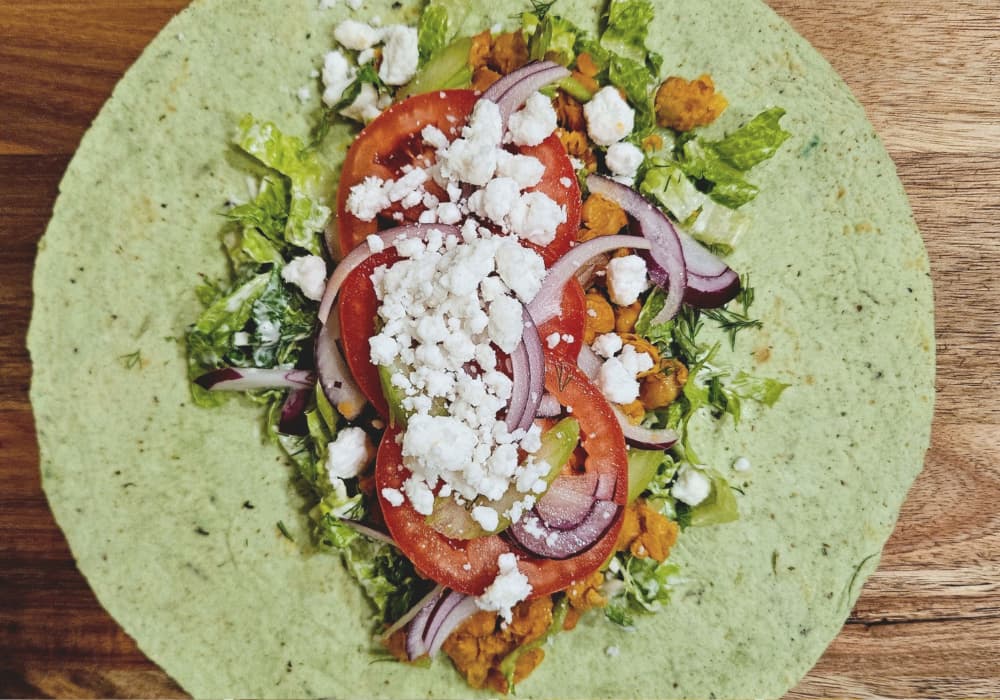
Specialty and artisanal styles. As the category has grown, so has the variety: you can now find vegan feta cheese, vegan mozzarella cheese, vegan goat cheese, vegan brie cheese, vegan gouda cheese, and even cultured, aged options modeled after European cheesemaking traditions. These artisanal vegan cheeses tend to be found at specialty grocers or online rather than every supermarket, but they’re increasingly easy to track down. Vegan feta is one of the easiest to find, and its tangy, crumbly texture is perfect sprinkled into our buffalo chickpea wraps.
The best vegan cheese—uses for each type
Matching the right vegan cheese to the right dish makes a bigger difference than people expect. Here’s a practical breakdown:
For pizza and grilled cheese: Look for a vegan mozzarella-style shred or a block labeled as “melty.” These are formulated with the oils and starches that help them soften and stretch under heat. A good rule of thumb: does vegan cheese melt well? It depends on the brand and format, but shreds and blocks made for melting (rather than spreads or crumbles) are your best bet.
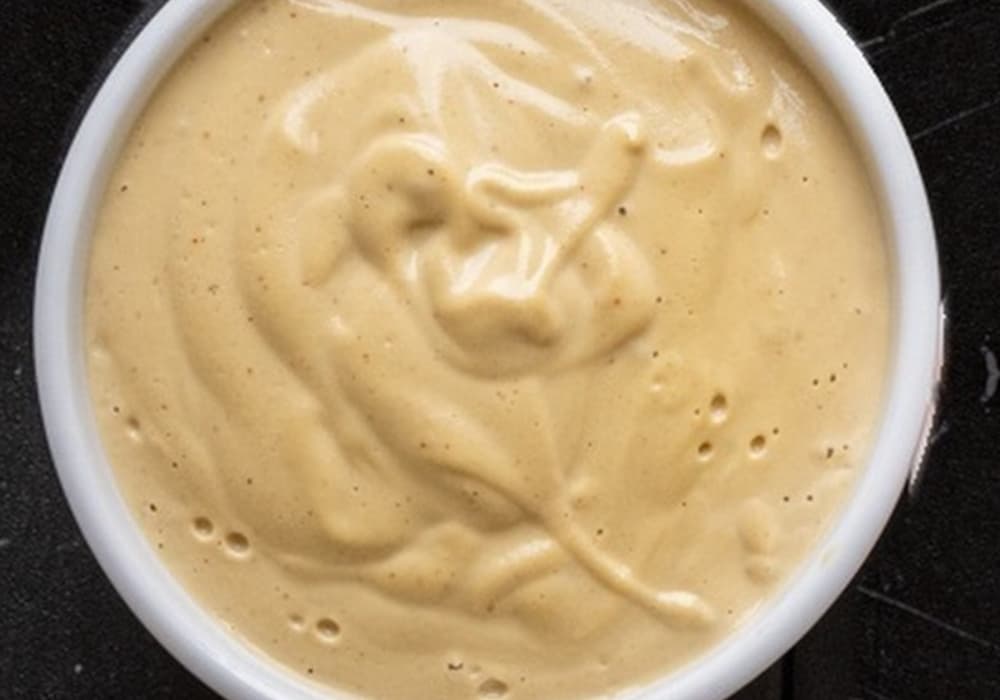
For nachos or dips: A vegan cheese sauce or vegan nacho cheese—often sold in jars or made at home with a cashew or potato base—pours and coats chips far more evenly than shredded cheese would. For an easy homemade version, try the quick cashew queso in our Vegan Crunchwrap Supreme.
For a vegan cheese board: This is an excellent opportunity to try lots of varieties at once! Soft, spreadable options like cashew-based cheeses, a tangy vegan feta, and a wheel of semi-soft artisanal cheese pair beautifully with crackers, fruit, and nuts.
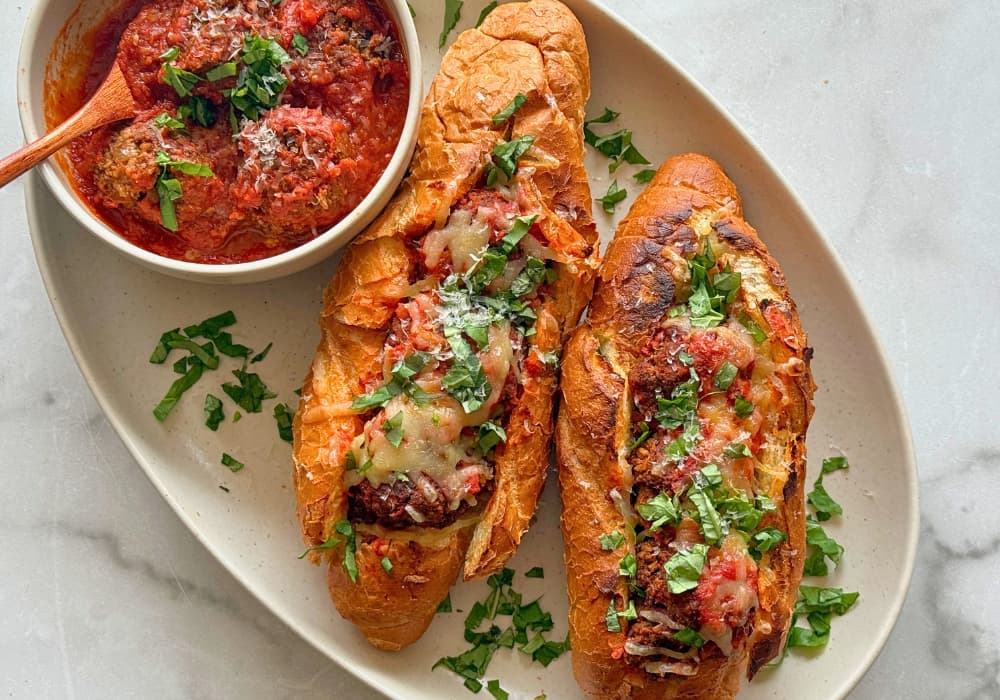
For sandwiches and burgers: Vegan cheese slices come in a variety of flavors, but a vegan cheddar cheese slice is easy to add to sandwiches and burgers, offering a familiar sharp or mild flavor. Try a melty slice on our BBQ black bean cheeseburger for a classic cookout favorite. Or opt for vegan mozzarella shreds, which melt beautifully over hot sandwiches like our lentil meatball subs.
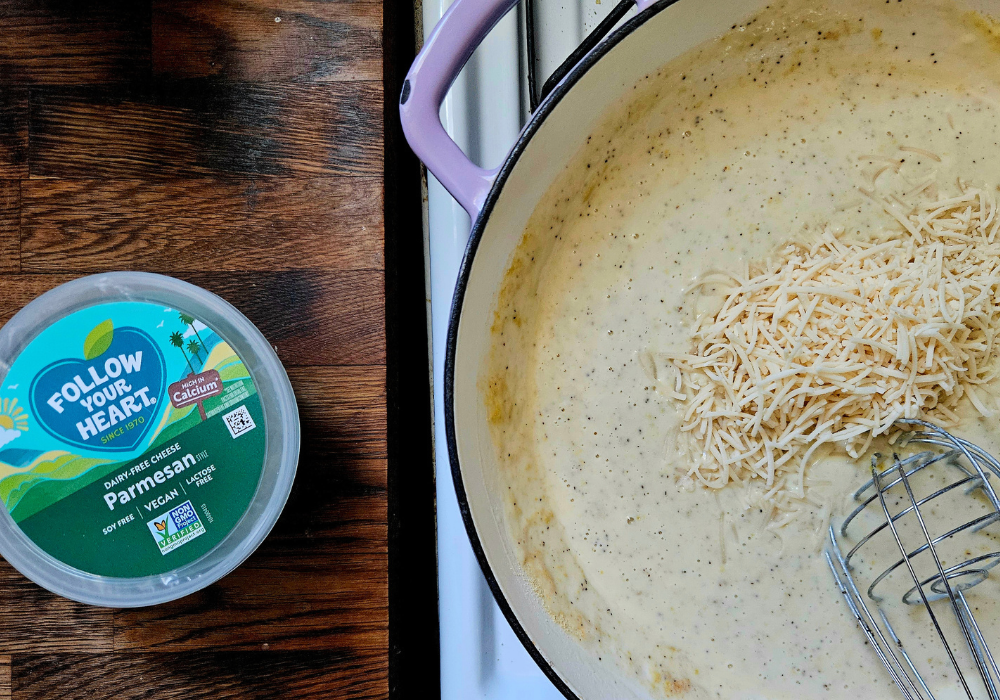
For pasta and baked dishes: Vegan parmesan cheese adds a salty, savory finish when sprinkled on top, while vegan ricotta or mascarpone-style cheeses blend into baked pasta dishes or desserts for creaminess. Parmesan-style shreds also melt beautifully into creamy sauces, like the one in our vegan scalloped potatoes.
For breakfast and snacking: Vegan cream cheese on a bagel or a vegan string cheese or cheese stick for an easy snack are simple ways to work it into everyday meals.
How to choose and shop for vegan cheese
With so many vegan cheese brands on shelves now, a few guidelines make shopping much easier:
Match the base to the dish. If you want something melty, check the ingredient list for coconut oil or starches, which tend to perform better under heat. If you want something spreadable or tangy, a cashew or soy base is usually a safer bet.
Check the format for your use case. Many brands sell the same flavor in multiple formats, so double-check the packaging matches your recipe.
Read the flavor profile, not just “cheese.” Many brands label their products by dairy-cheese equivalent (cheddar-style, mozzarella-style, feta-style), which is a helpful shortcut if you’re trying to recreate a familiar dish.
A few widely available U.S. brands worth knowing:
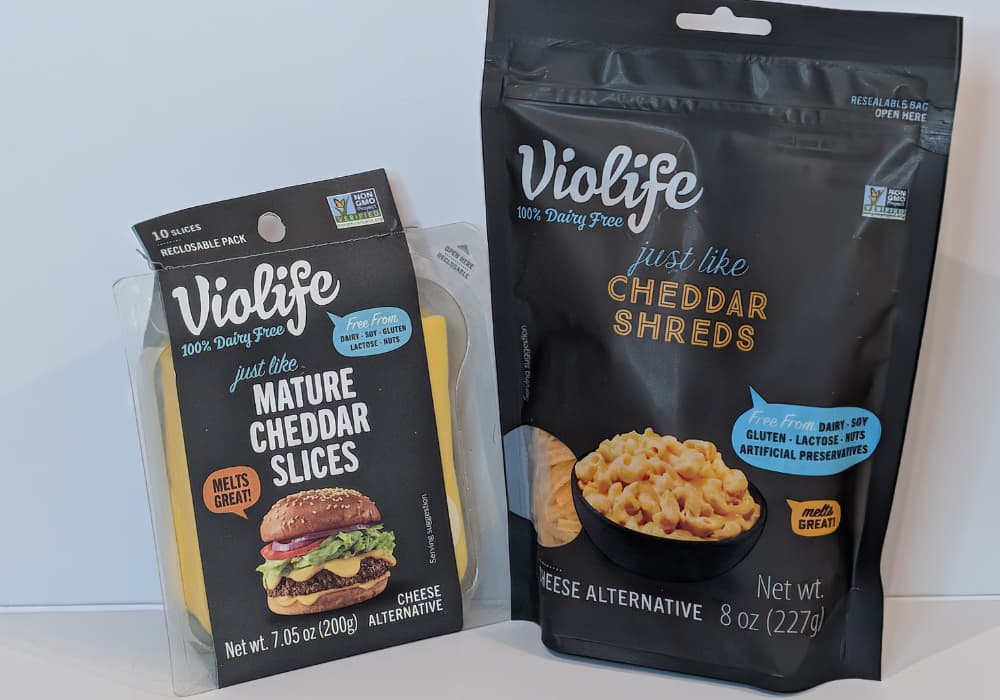
Violife is one of the most widely stocked vegan cheese brands and known for its coconut oil-based shreds, blocks, and slices, including a popular feta-style cheese.
Daiya was one of the earlier mainstream brands and remains a common choice for shreds, blocks, and cream cheese, found in most major grocery chains.
Miyoko’s is known for its cultured, cashew-based cheeses and butter, often found in the specialty or natural foods section, and is popular for more artisanal-style wheels.
Follow Your Heart offers a broad lineup, including shreds, slices, feta crumbles and one of the most popular vegan parmesan options on the market.
Kite Hill specializes in almond milk-based cream cheese and other spreadable varieties, often found near the dairy alternatives section.
Go Veggie offers a range of soy and nut-free options, which can be a helpful starting point if you’re shopping for someone with nut allergies. Note that some products are not plant-based, rather are just lactose-free, so be sure to read your labels.
If you’re wondering where to buy vegan cheese, most major grocery chains now carry at least a few of these brands in the dairy or natural foods aisle, and the selection has been expanding steadily as demand grows.
Storage and shelf life
Vegan cheese is generally stored the same way dairy cheese is: refrigerated, tightly wrapped or in its original resealable packaging, and used by the date on the label. Once opened, most blocks and shreds keep well for about one to two weeks, while spreads like vegan cream cheese are best used within a week or so of opening for the best texture and flavor.
Can you freeze vegan cheese? In many cases, yes—shredded and block-style vegan cheeses often freeze reasonably well, though the texture may become slightly more crumbly after thawing, which matters less if you’re melting it into a cooked dish than if you’re planning to serve it fresh on a cheese board. And if you buy vegan liquid cheese, try portioning it into an ice cube tray before freezing so you can pull out only what you need when you need it!
FAQs
Does vegan cheese melt the same way as dairy cheese?
It depends on the brand and format. Many modern shreds and blocks, especially coconut oil-based ones, are specifically formulated to melt and stretch, while crumbles (like vegan feta) are designed to stay soft rather than fully melt.
What does vegan cheese taste like?
It varies quite a bit by brand and base ingredient. Cashew-based cheeses tend to taste rich and tangy, nutritional yeast-based products often have a savory, umami quality, and many commercial brands are formulated to closely mimic specific dairy cheese flavors like cheddar or mozzarella.
Can I substitute vegan cheese one-to-one in my favorite recipes?
Generally yes, though matching the format matters. For example, swapping a melty shred into a recipe that calls for a pourable cheese sauce may change the result slightly.
Is there a nut-free vegan cheese option?
Yes, many brands, including Daiya, Violife, and Go Veggie, use soy, coconut, or starch bases rather than nuts.
What’s the easiest way to try vegan cheese for the first time?
A shredded mozzarella-style cheese on a homemade pizza or a cream cheese spread on a “smoked salmon” bagel are both low-pressure, familiar ways to get a feel for it without committing to a whole new recipe.
Curious how vegan cheese performs in an actual recipe? Browse our recipe index for more easy, cheesy ideas to add to your rotation. If you give vegan cheese a try, don’t forget to tag us on socials or drop us a line at [email protected]—we love celebrating your plant-based wins.
Try Plant-based Today